Lyn Is Still Here.
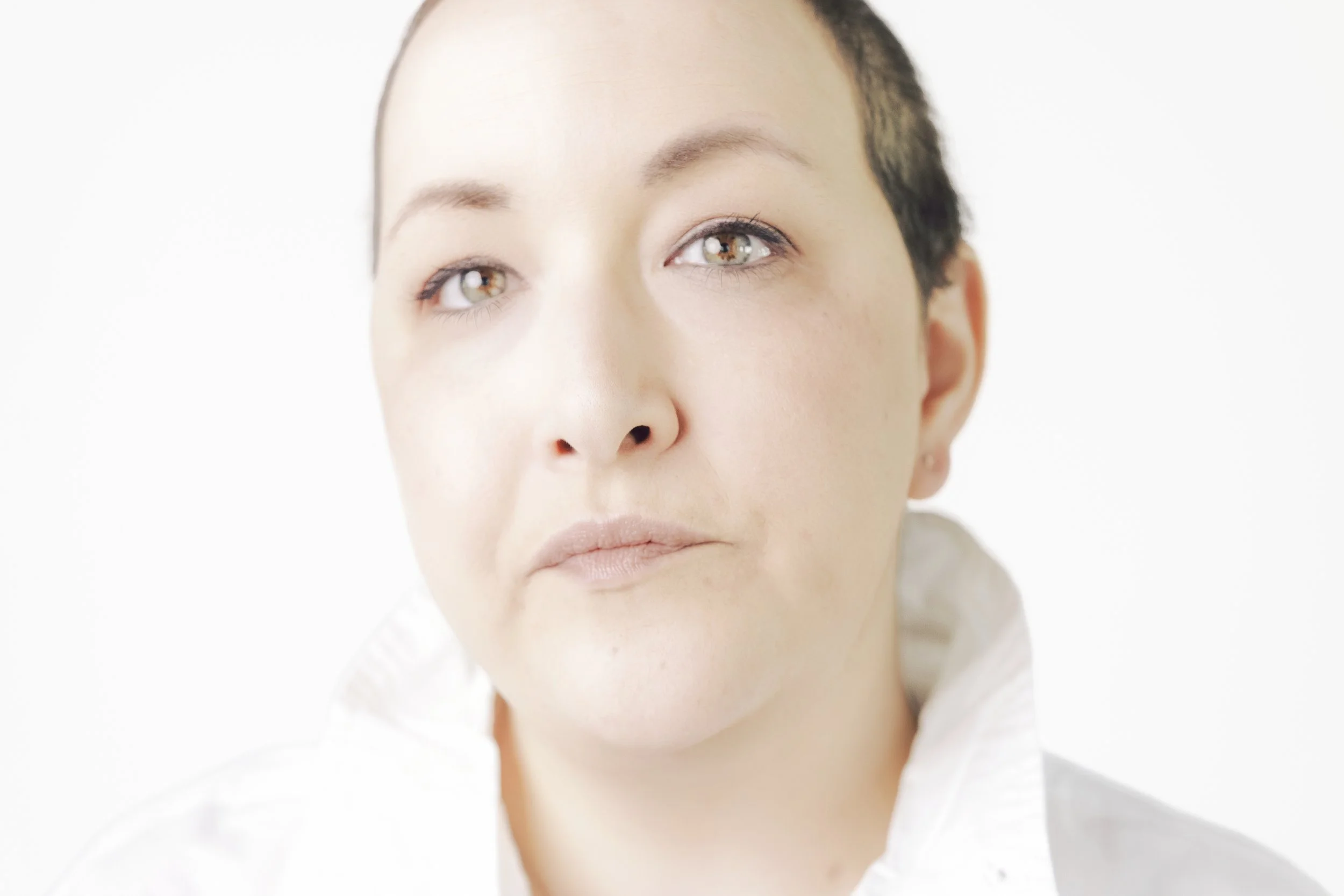
What happens when you do everything you’re supposed to do... and cancer still finds you?
Lyn had her yearly mammogram in September 2025. She went in, was checked, they even did additional ultrasounds on an area in her left breast, and then she was sent home with the all-clear. So when Lyn felt something in her right breast about two months later, she did what I think most of us would do: she told herself it was probably nothing. After all, she had just had a mammogram. By Christmas, the mass had grown so much that she couldn't comfortably lie on her stomach; a similar feeling to postpartum breastfeeding kind of tenderness.
Another mammogram. A biopsy. Then the phone call no 41-year-old mother of two expects to get.
Cancer.
Lyn did what moms tend to do when life hands them something completely impossible. She went into fight mode.
“After all, I have two kids that need me. I don’t have time to die.”
There were MRIs, surgical consults, loads of bloodwork, and appointments on top of appointments. And then came the PET scan. The cancer was already in her liver.
Stage IV metastatic breast cancer. Terminal.
“It went from ‘I can beat this’ to ‘how many years can I get?’”
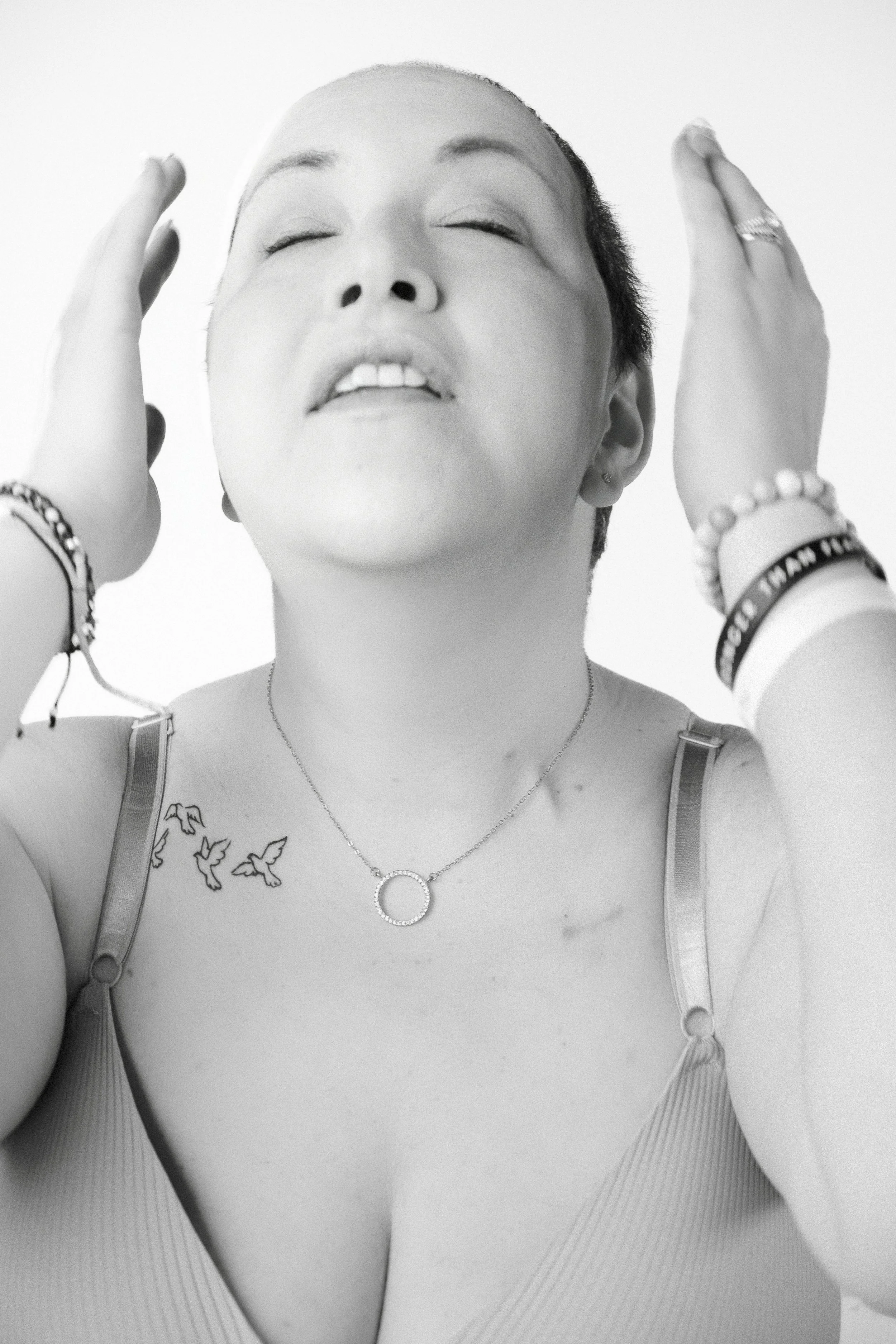
I don’t think I really knew how to process this when I was able to get to know her during our session. Because when Lyn says, “How many years can I get?” she isn’t talking about some number on a prognosis… she’s talking about time with her kids, getting to see who they become, growing old with her husband the way she’d never thought twice about, watching all four of them change over the years and getting to be there for it. She told me she wants to see her husband with wrinkles and gray hair. And then she gave insight that got to my core,
“Hell, I want to see ME with wrinkles and gray hair.”
We spend so much of our lives complaining about getting older… the wrinkles, the gray hairs, another birthday coming way too fast. But what a privilege it is to get them. And Lyn plans to, because almost a year after being told she had stage 4 metastatic breast cancer, Lyn has some pretty incredible news to share.
She is in remission.
It doesn’t erase her diagnosis or everything that comes with metastatic breast cancer. But right now, today and in this moment, she gets to say she’s in remission. And she wants people to know what it took to get here, what she’s learned along the way, and why we need to be talking a whole lot more about metastatic breast cancer.
But before cancer takes up any more space in this story, I want you to know who Lyn is without it.
When I asked her that question, she told me it was complicated. Her diagnosis has changed her in so many ways (naturally) that separating the person she was before cancer from the person she is now isn’t exactly easy. At her core, though, Lyn is someone who loves people. She’s always been a social butterfly, and when she loves someone, there isn’t much she wouldn’t do for them. She was also very quick to clarify that this does not make her a pushover lol. She is fierce, protective of herself, and even more protective of the people she loves.
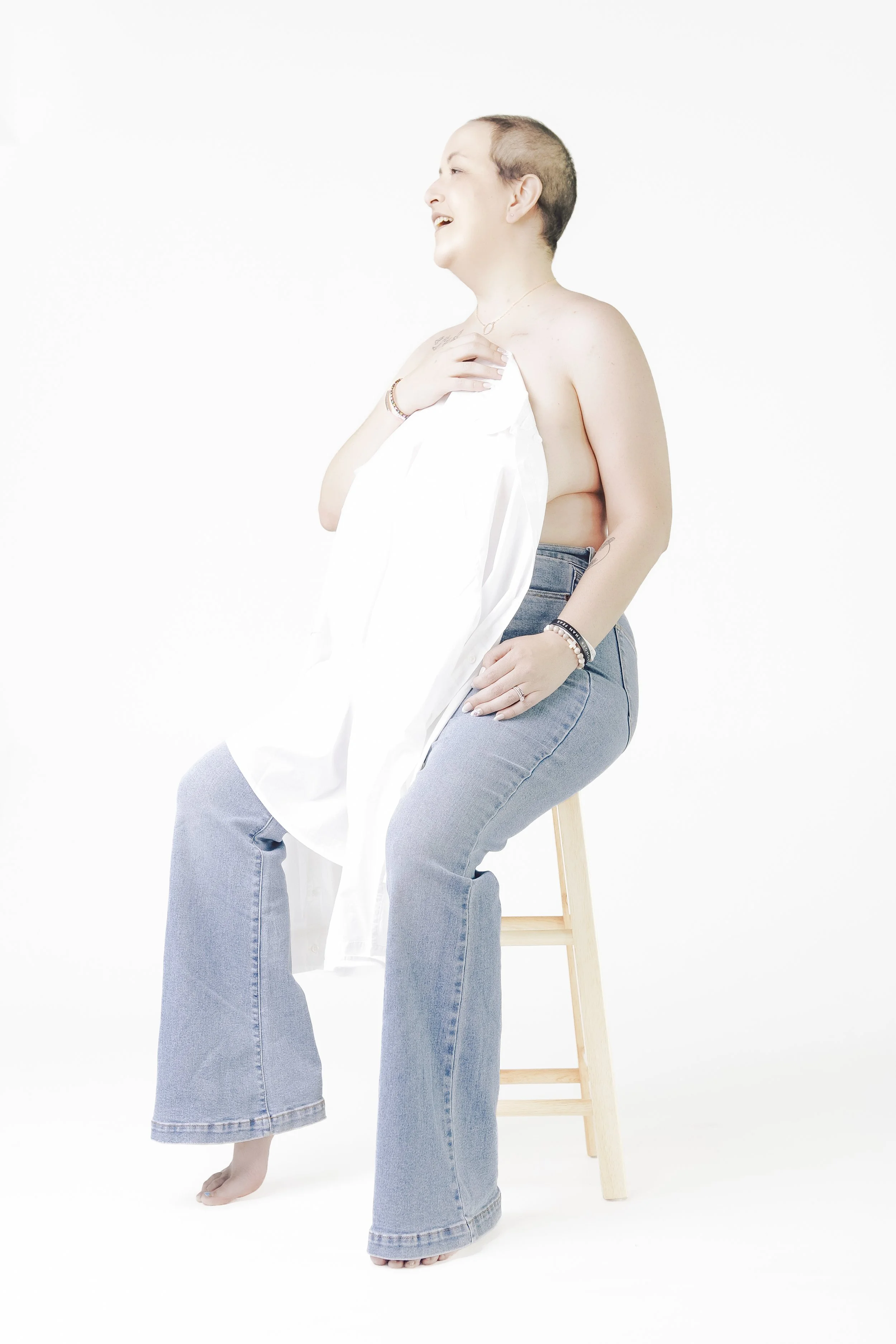
You see that pretty quickly when she starts talking about her family.
“I married the best man on the planet.”
Her husband was selfless long before she got sick. Now, according to Lyn, he’s a “fricken superhero.” He keeps their family going so she has the space to focus on healing, and through all the ways cancer and treatment have changed how she looks and sometimes how she feels about herself, he has never let her feel anything less than beautiful.
Then there are her kids.
Her son is almost 13, getting straight A’s, maintaining the very important social life of an almost teenager, and somehow also finding ways to step up and help his dad. Her daughter is only three. She doesn’t understand what cancer is or why Mom has so many appointments, but somehow she seems to understand when her mom needs her. She knows when to climb up for a snuggle or randomly say, “I love you, Mommy.”
Lyn told me she wouldn't have the strength to get through this without the three of them.
When I asked her what the hardest part of all of this has been, I expected an answer about treatment or maybe even the exhaustion, the appointments, or being confronted with your own mortality at 41 years old. Instead, she talked about missing her old life. She misses going out with her best friends for a drink... or five. She misses being able to randomly plan an adventure with her family without first checking a calendar full of doctor appointments or wondering whether she'll have enough energy to actually go. She misses having a headache and letting it just be a headache instead of immediately wondering if the cancer has spread to her brain. She said she misses “the freedom that comes with good health.” Something we don’t think twice about.
There is so much freedom in being healthy that most of us probably never recognize as freedom. Making plans months from now without thinking twice. Feeling something weird in your body and assuming it'll go away (and it actually goes away). Looking at next year's calendar and automatically picturing yourself in it. Lyn doesn't get to take those things for granted anymore. She also really wants people to understand that hearing the word terminal doesn't mean her life is over.
“Terminal doesn't mean I'm dying tomorrow. People can live with MBC for YEARS, and that's my plan.”
That distinction matters, especially now that she's in remission. Stage 4 metastatic breast cancer is not currently considered curable. Remission doesn't erase that diagnosis. It means treatment has worked incredibly well and there is currently no detectable evidence of her cancer. There will still be monitoring, scans, appointments, and decisions about treatment. I'm sure there will also still be moments when a headache is more than just a headache in her mind.
So yes, we are celebrating the hell out of remission.
We are also still talking about metastatic breast cancer. And Lyn specifically asked me to talk about the part that doesn't get nearly enough attention. We see breast cancer everywhere… pink ribbons, walks, fundraisers, October campaigns and reminders to schedule a mammogram. Yet the version of breast cancer that ultimately kills almost everyone who dies from the disease is metastatic breast cancer, and research specifically focused on metastatic disease has historically received only a FRACTION of breast cancer research funding.
For Lyn, that isn't just a statistic tucked into a research paper somewhere. Research means another treatment option when one stops working; it means more time… another Christmas with her kids, another birthday, another anniversary with her husband, another chance to complain about finding a gray hair. When you look at research through the eyes of a now 42-year-old mom who desperately wants to grow old, suddenly “more research” doesn't feel like such an out-of-the-blue request.
There is something else Lyn asked me to make very clear in sharing her story: don't assume this can't happen to you. Pay attention to your body.
That doesn't mean living terrified of every lump, ache, or change. It means knowing what is normal for you and speaking up when something isn't. Get the screenings recommended for you. Talk with your doctor about your personal risk and when you should begin screening. And if you find something new between those appointments, make the call anyway.
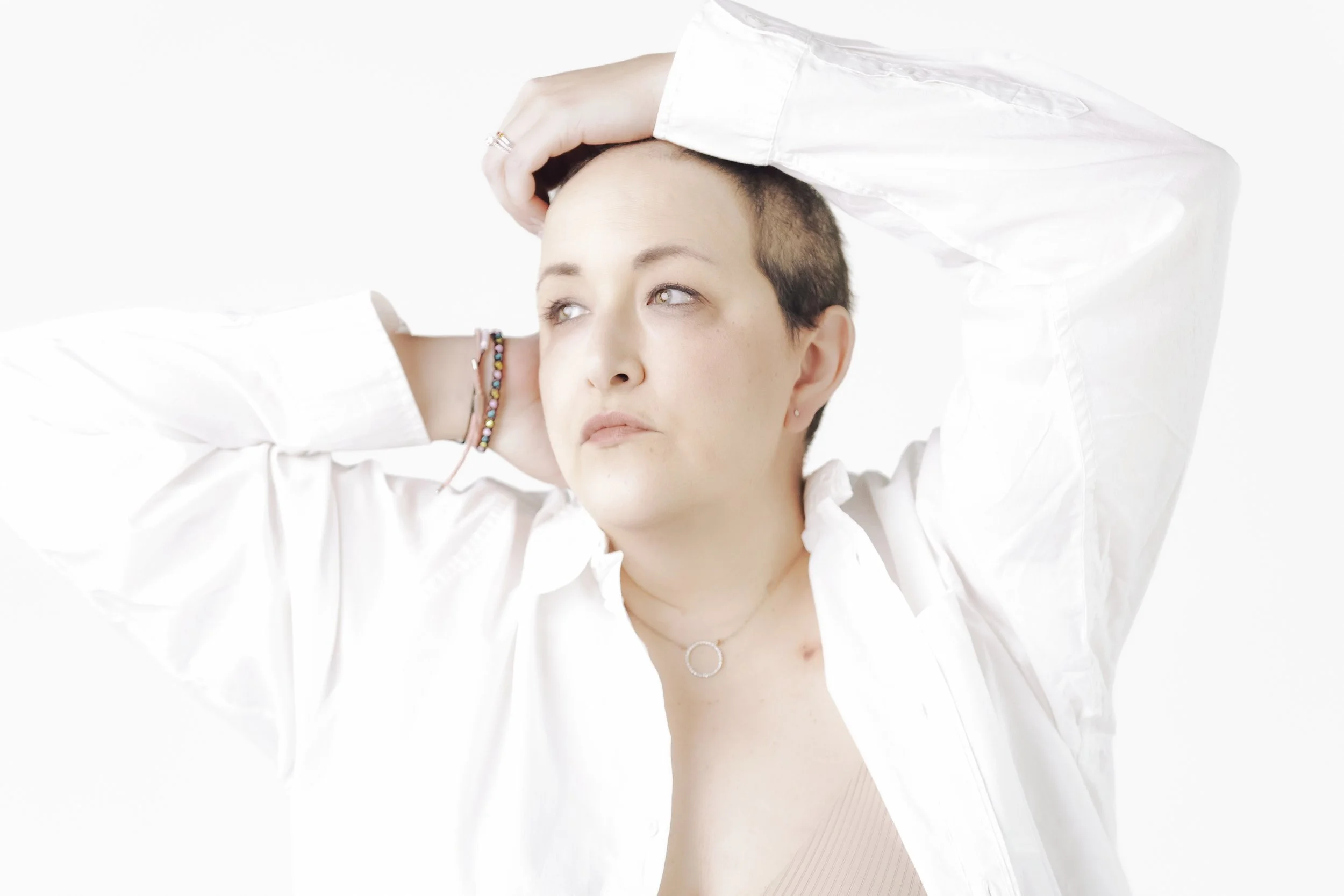
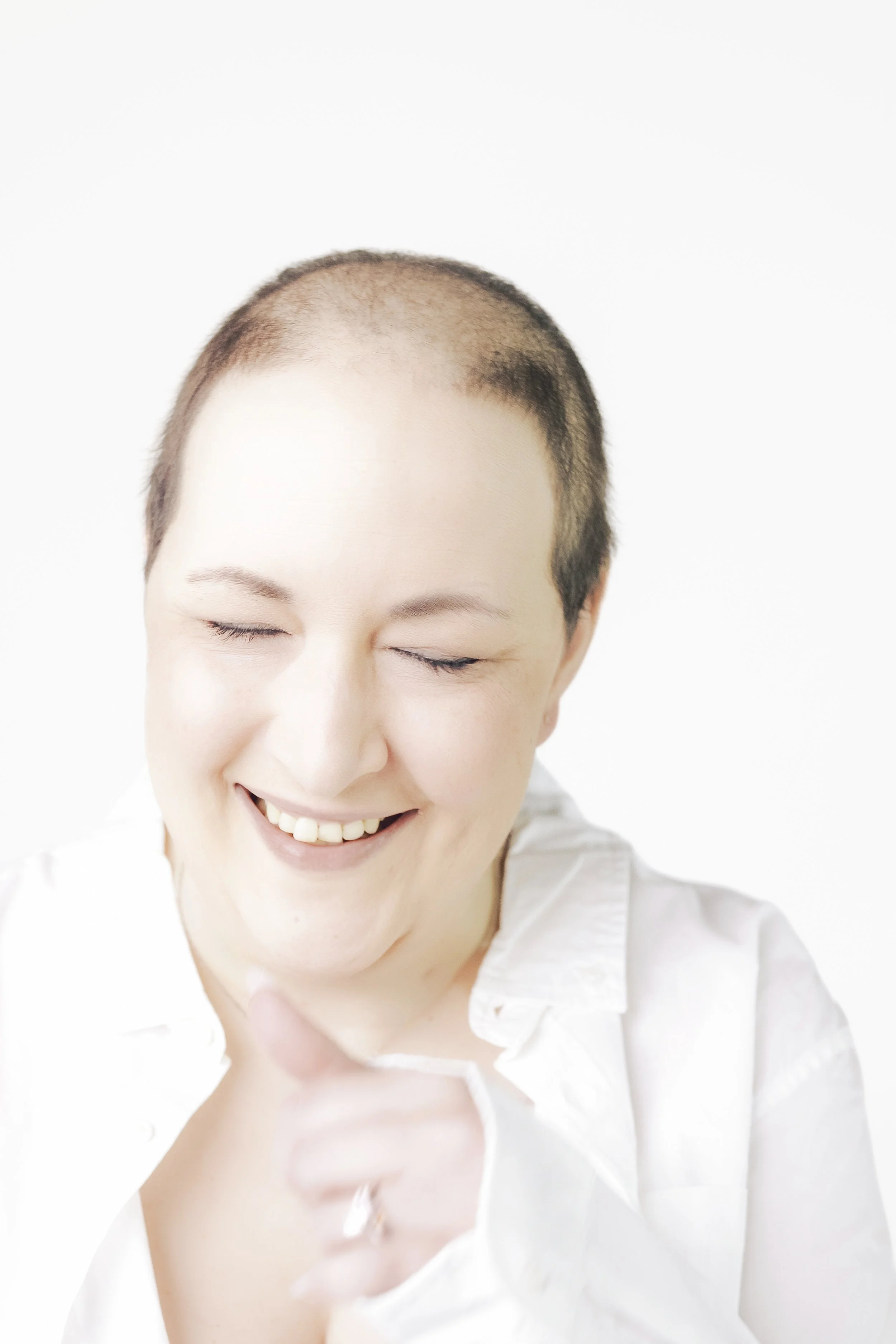
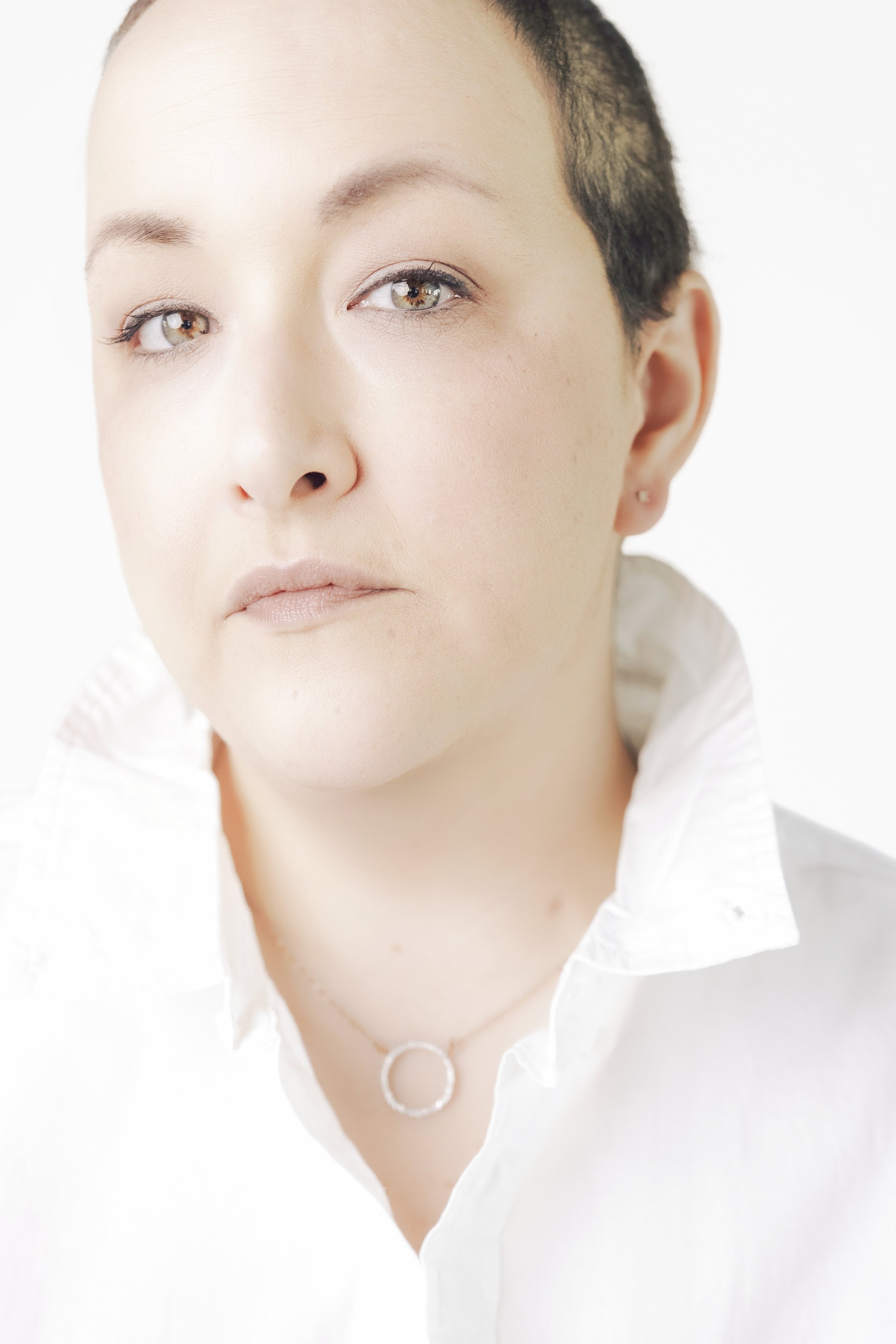
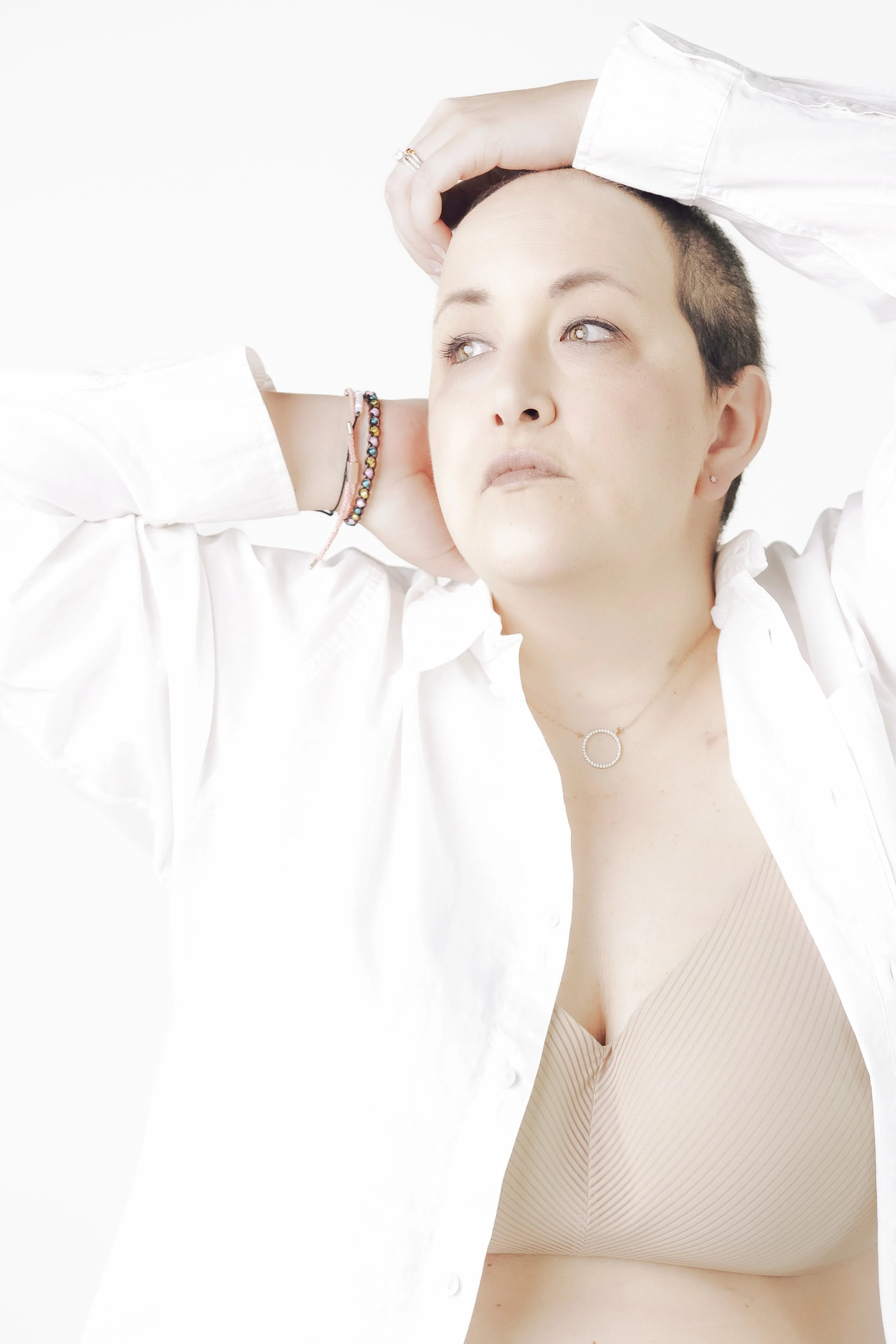
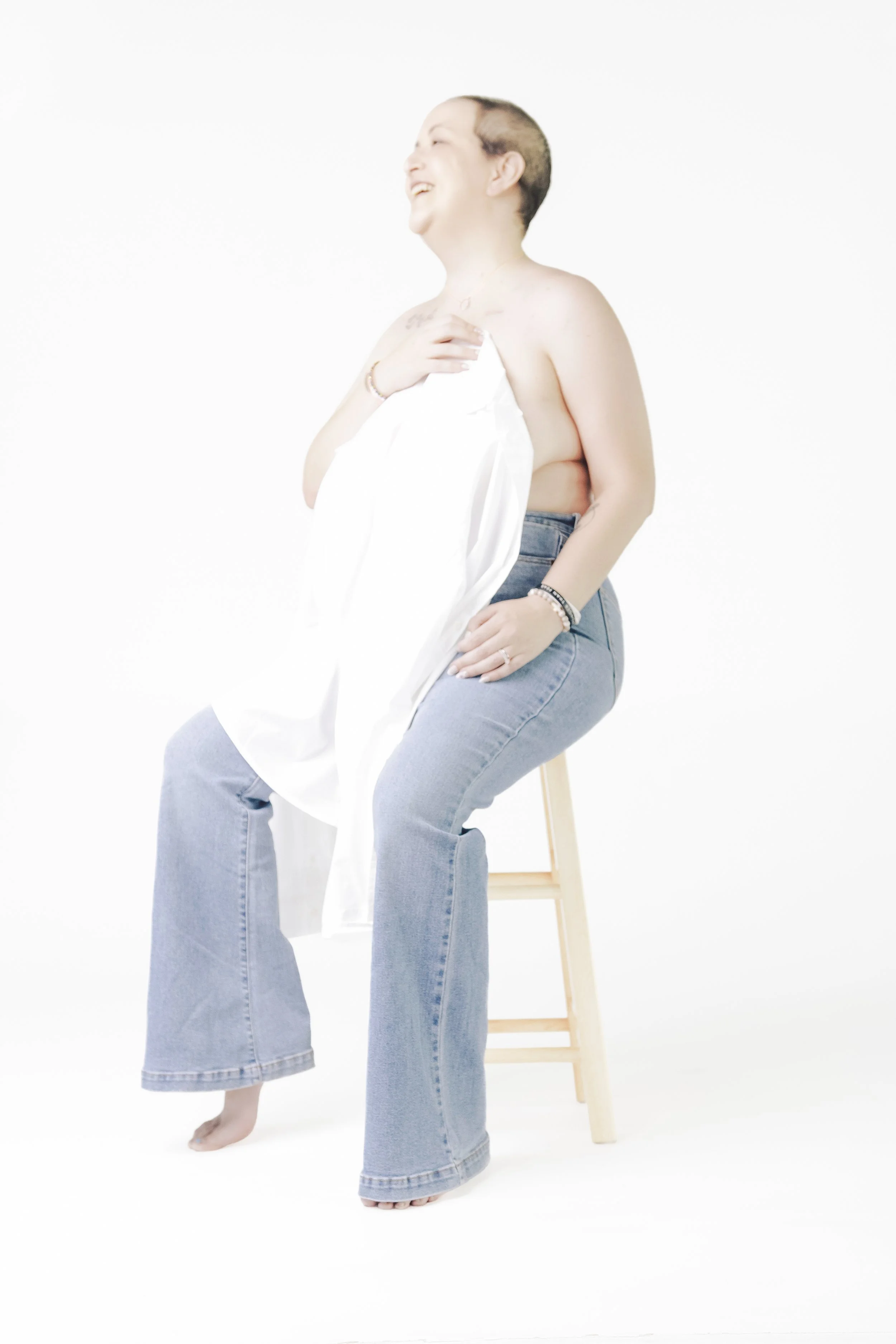
One of the other things she talked about was something I think every mom will understand immediately. Cancer doesn't somehow put motherhood on pause. Your kids still need you when you're exhausted. They need you when you're sad, angry, or scared. A three-year-old still needs Mom even when Mom just received news that completely changed the trajectory of her life. Lyn has worked really hard to make sure her children are still getting to have a childhood in the middle of all of this. She told me that if, God forbid, she does leave them earlier than she plans to, she doesn't want their memories of her to only be memories of their mom being sick. That sentence tells me so much about why these portraits matter too. When I asked Lyn how she wanted to see herself in them, she wants to see herself the way her husband sees her.
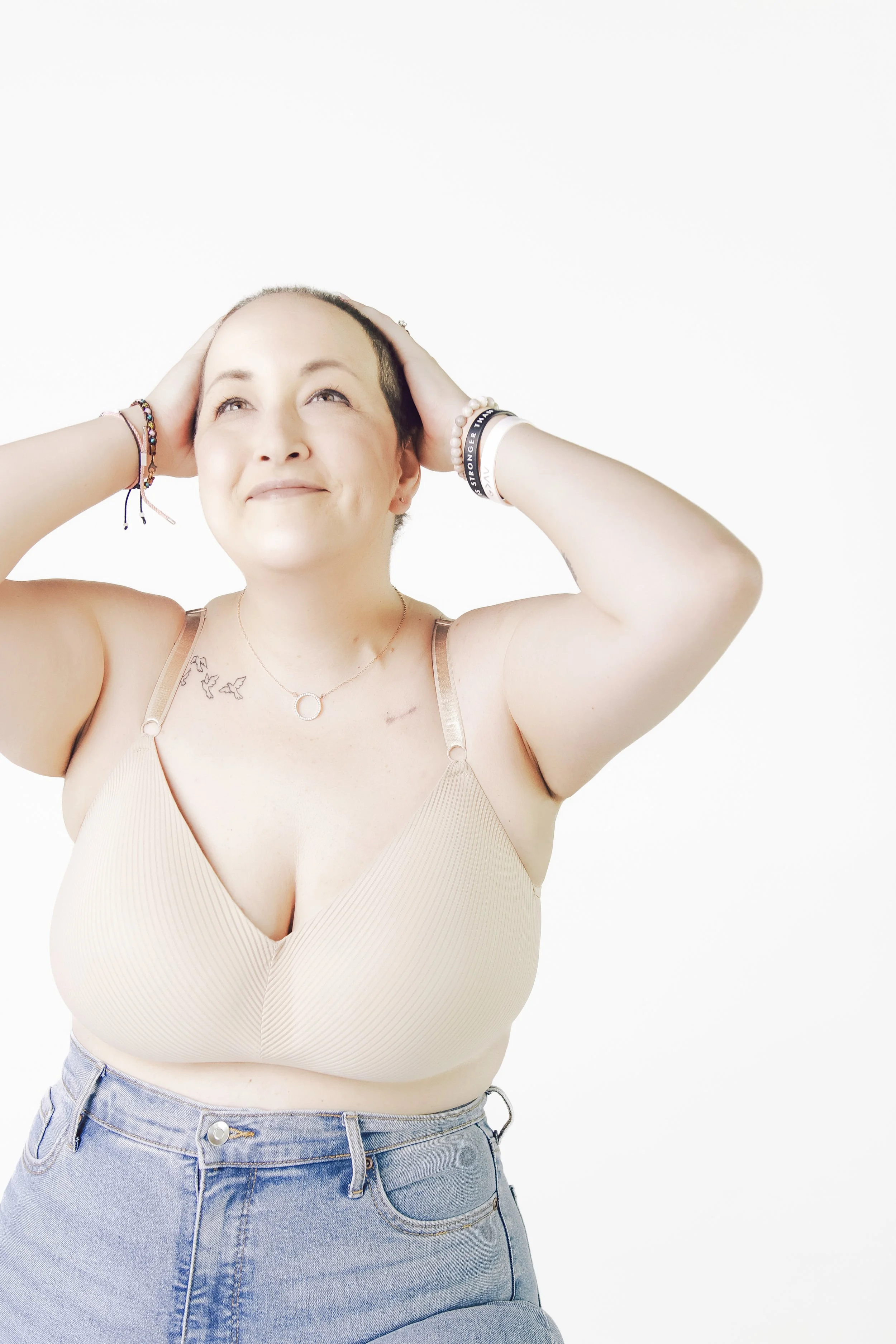
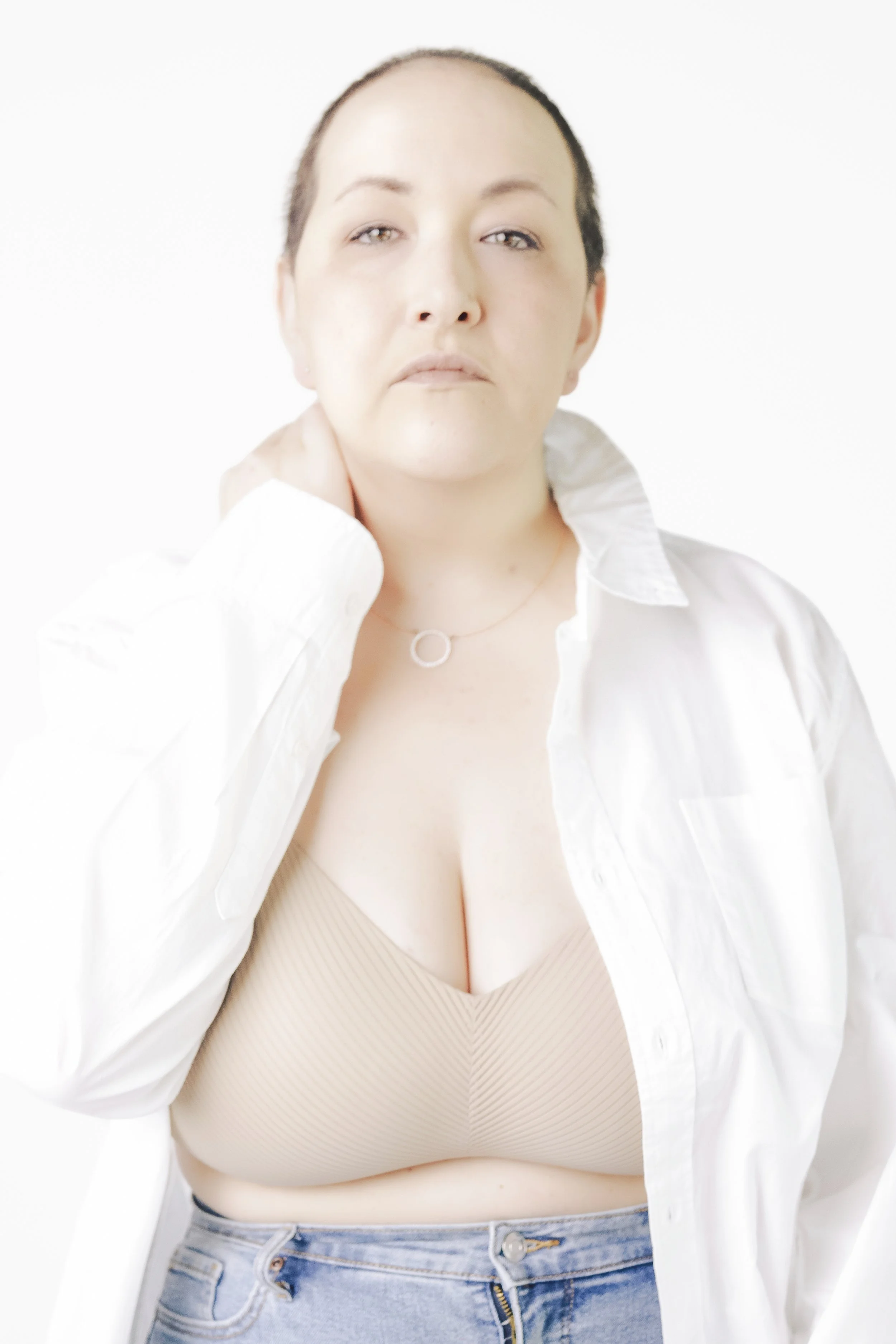
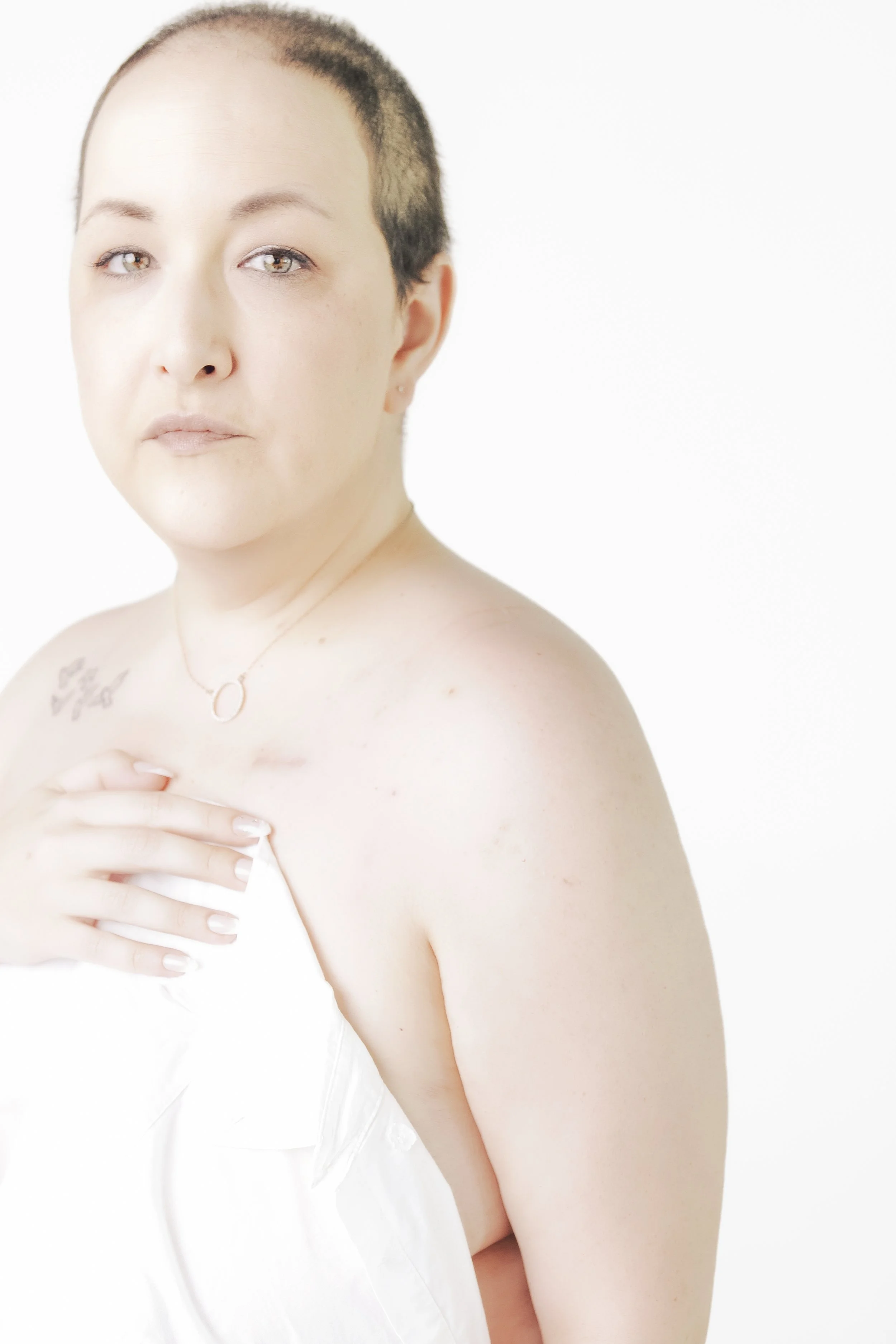
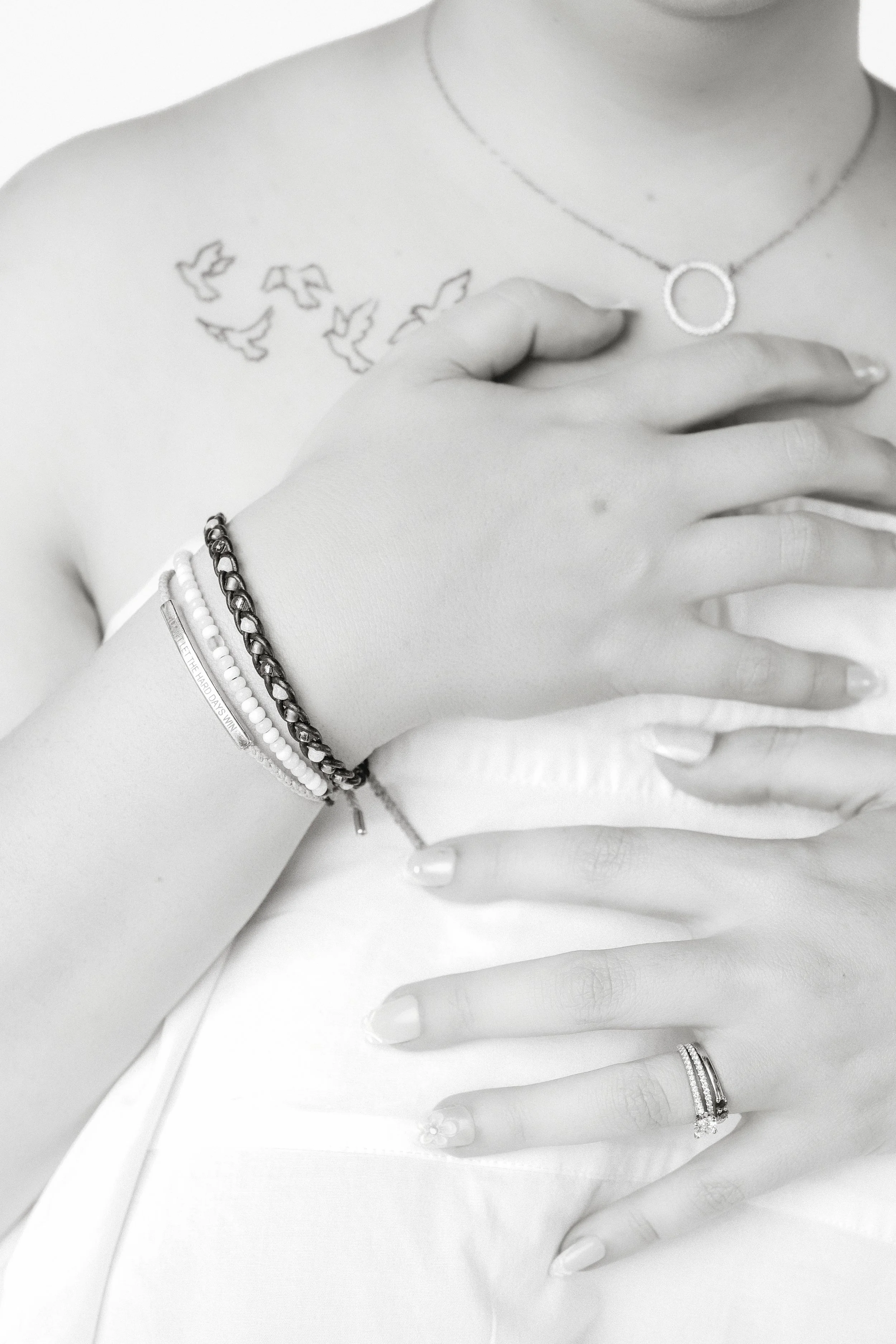
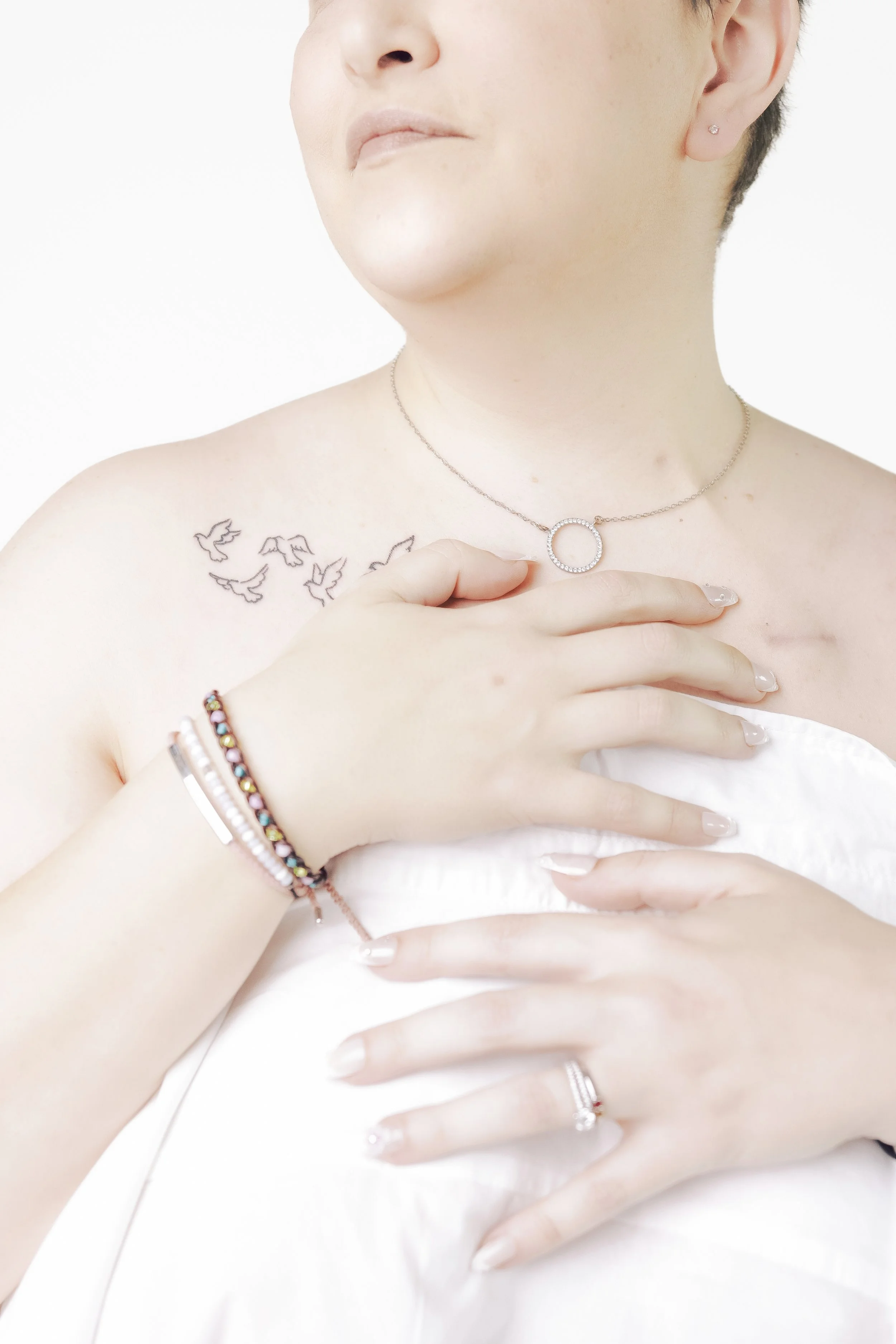
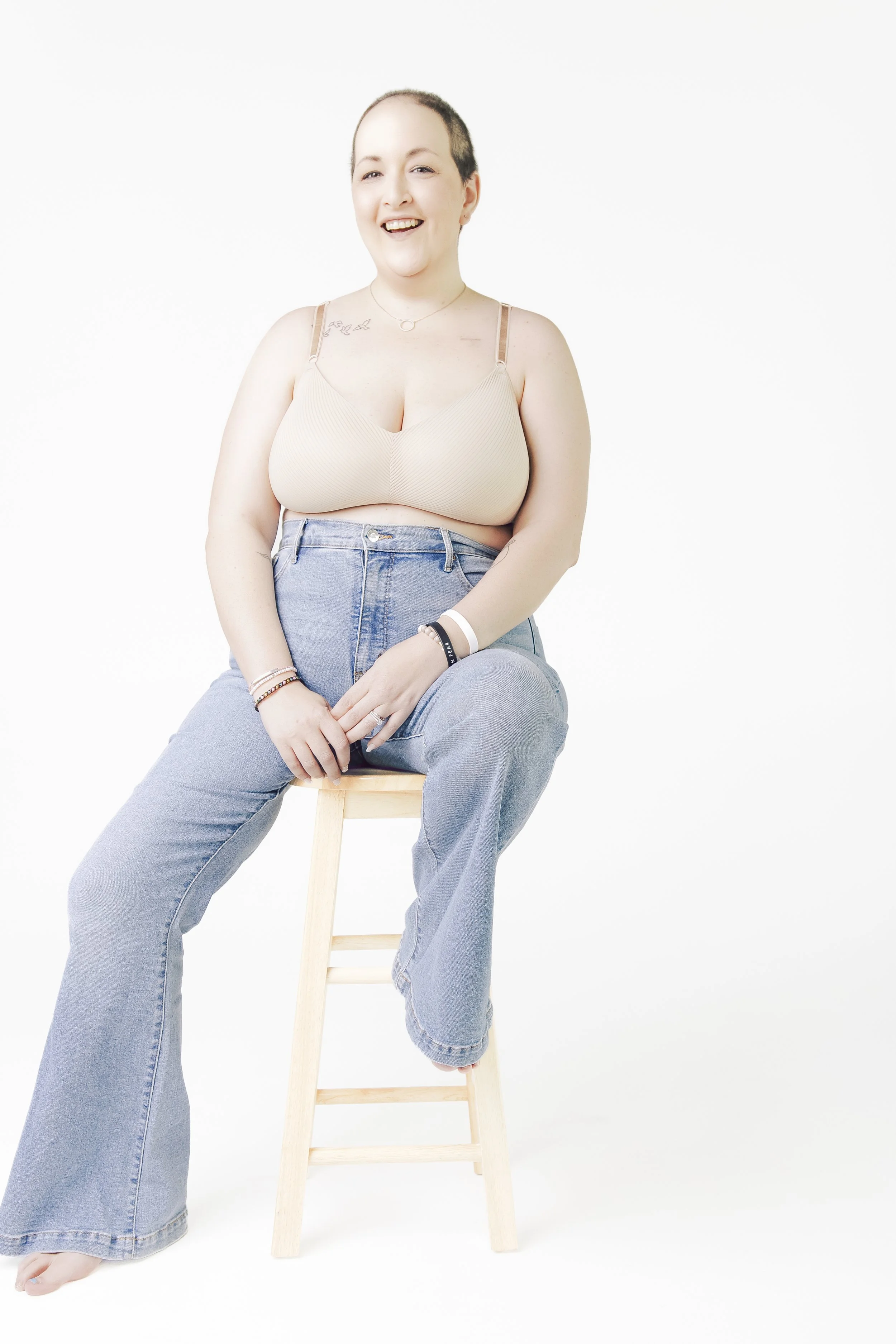
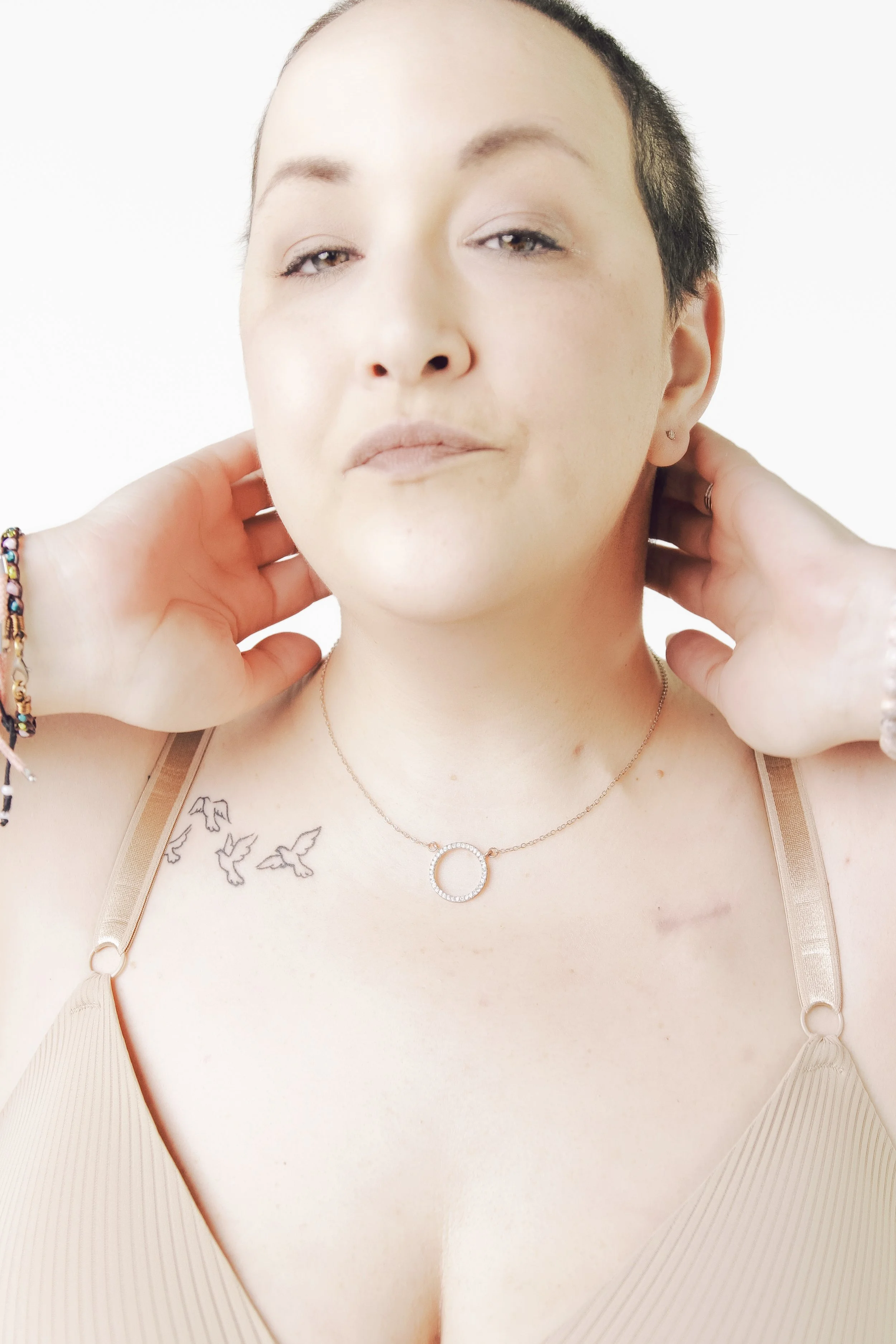
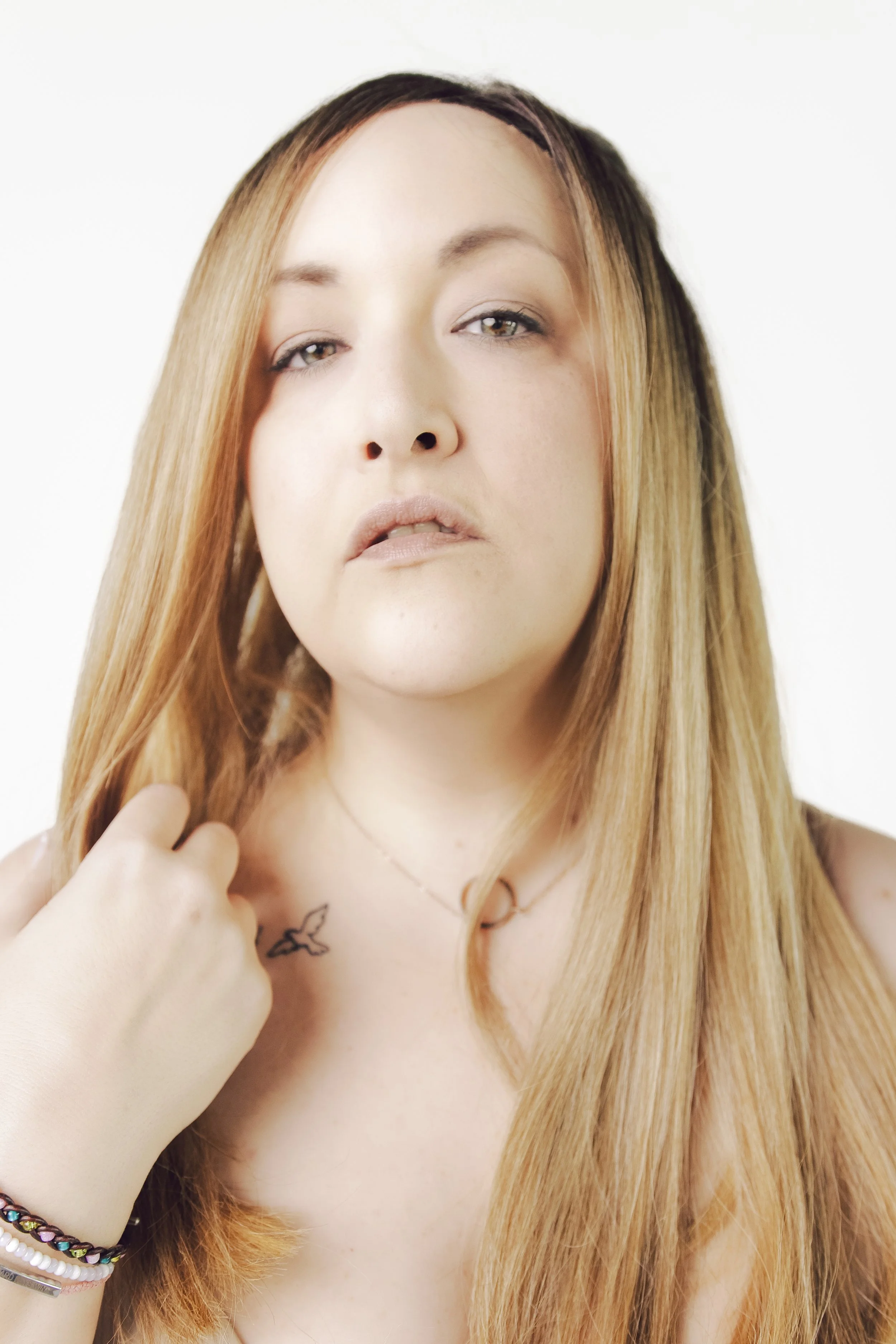
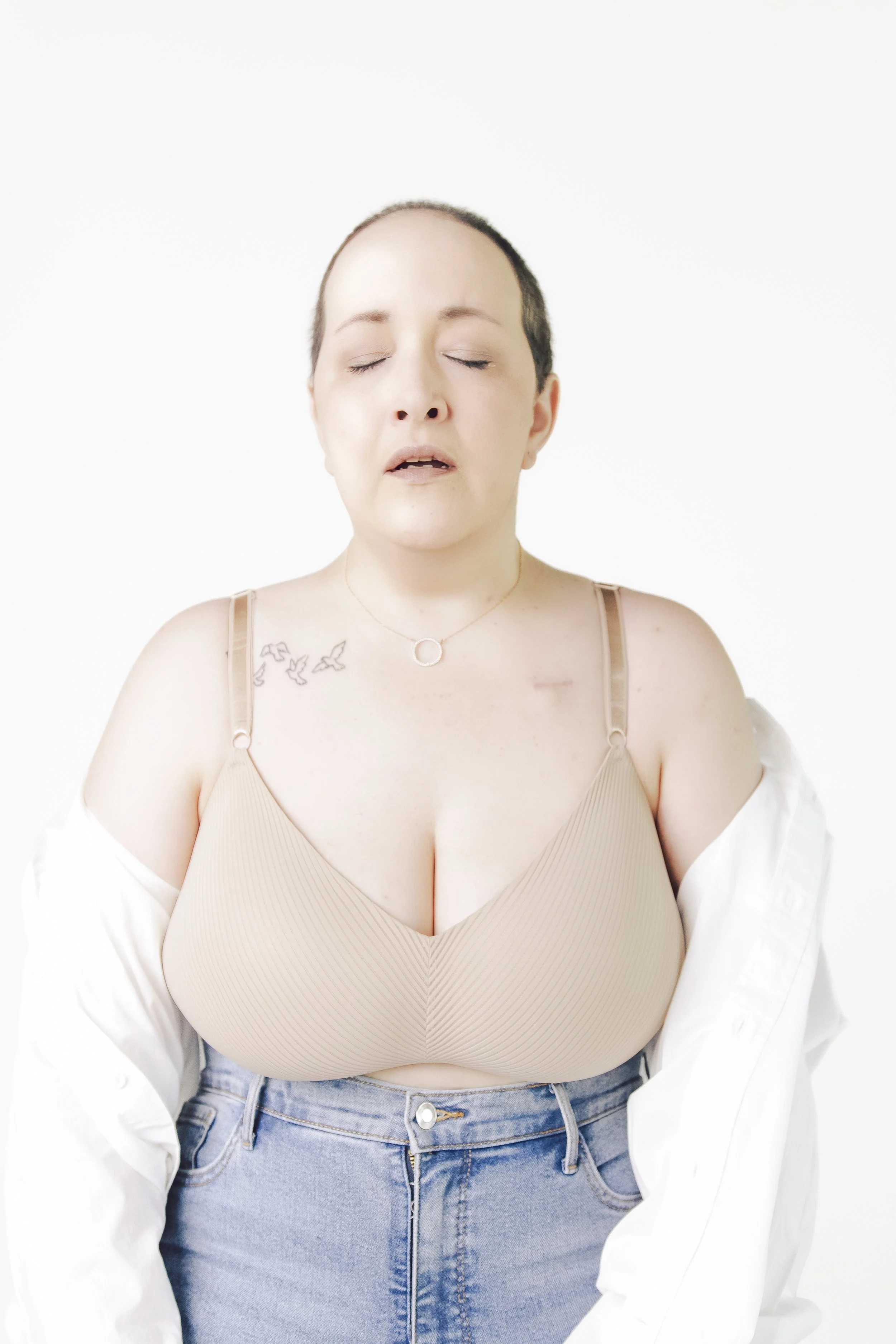
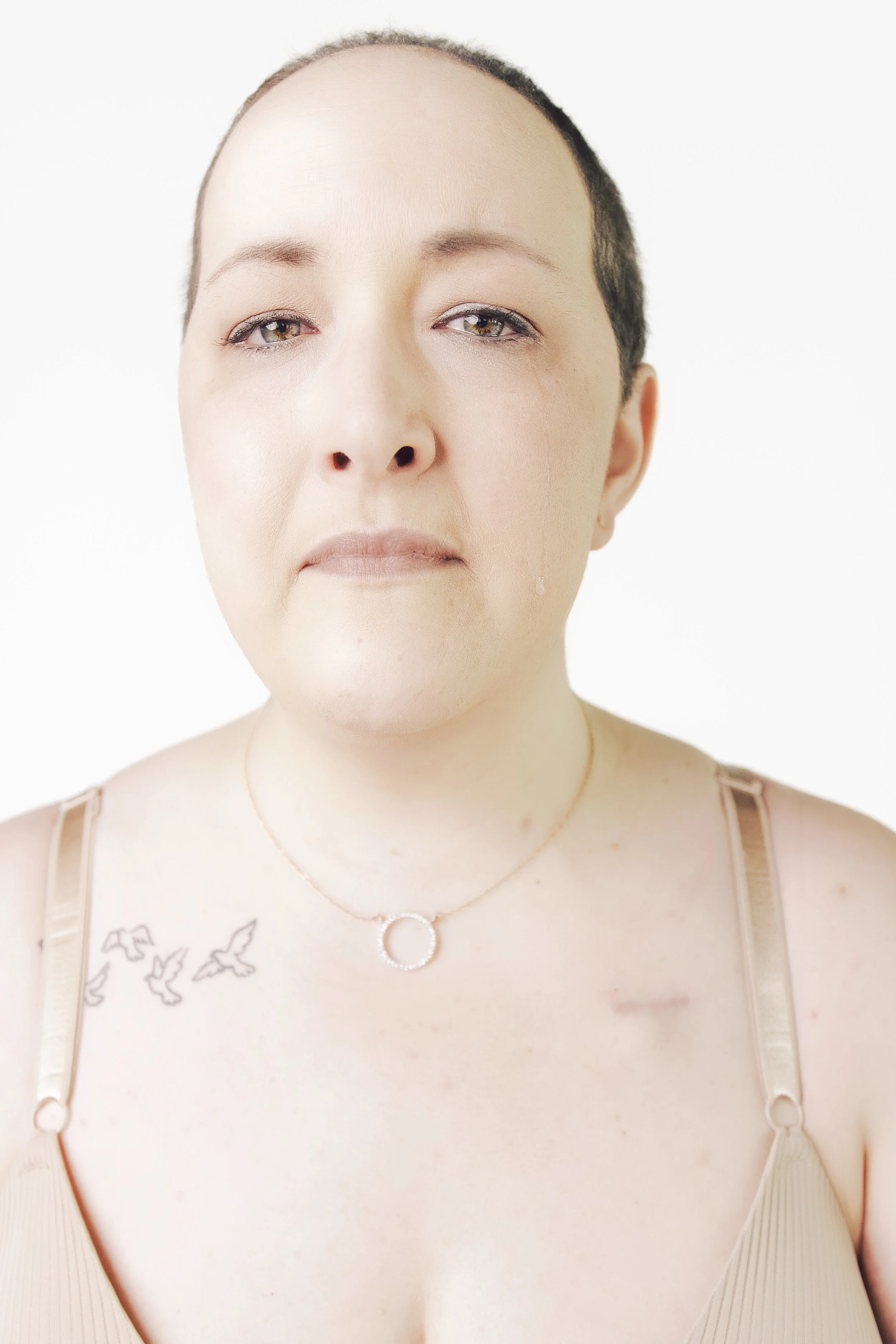
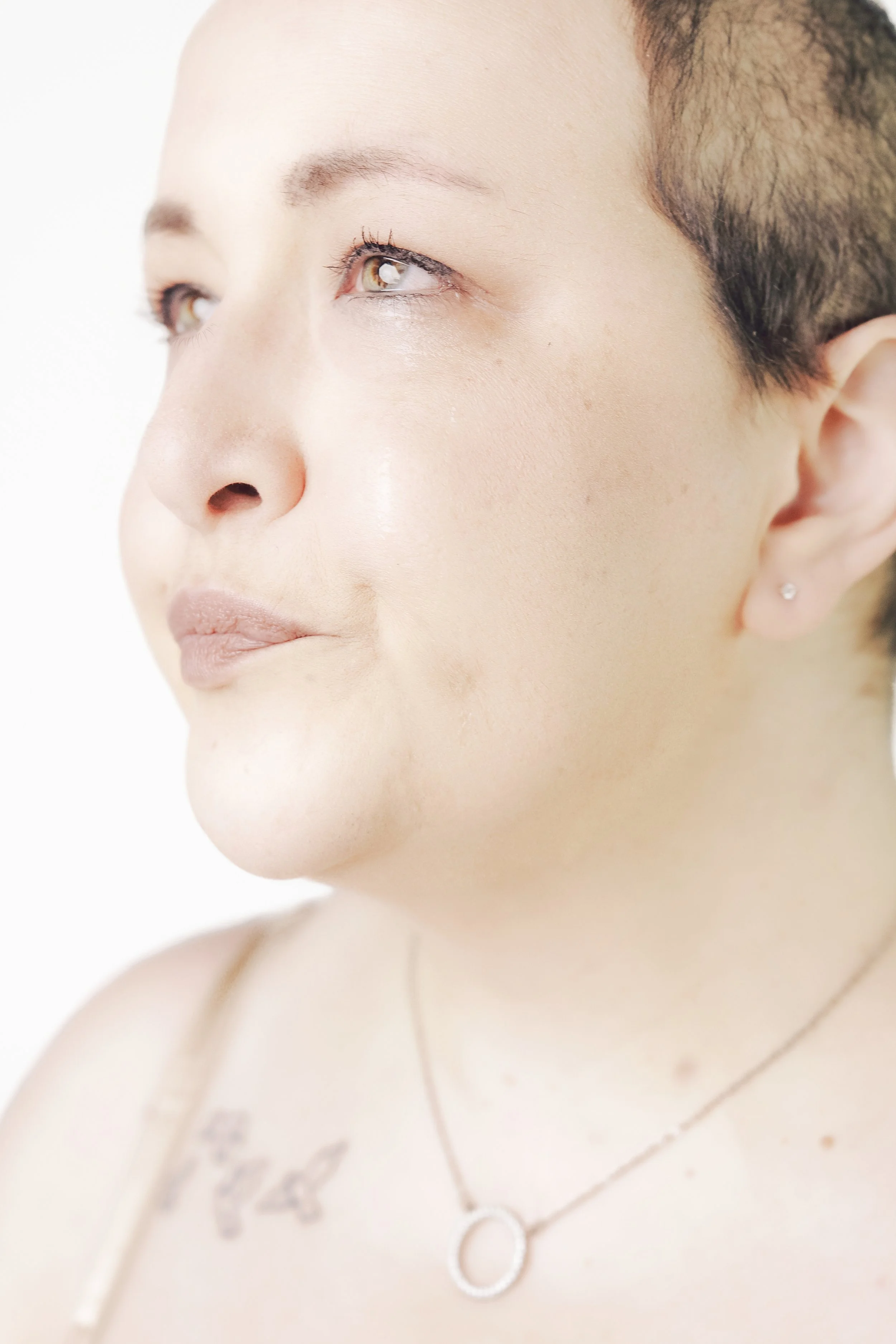
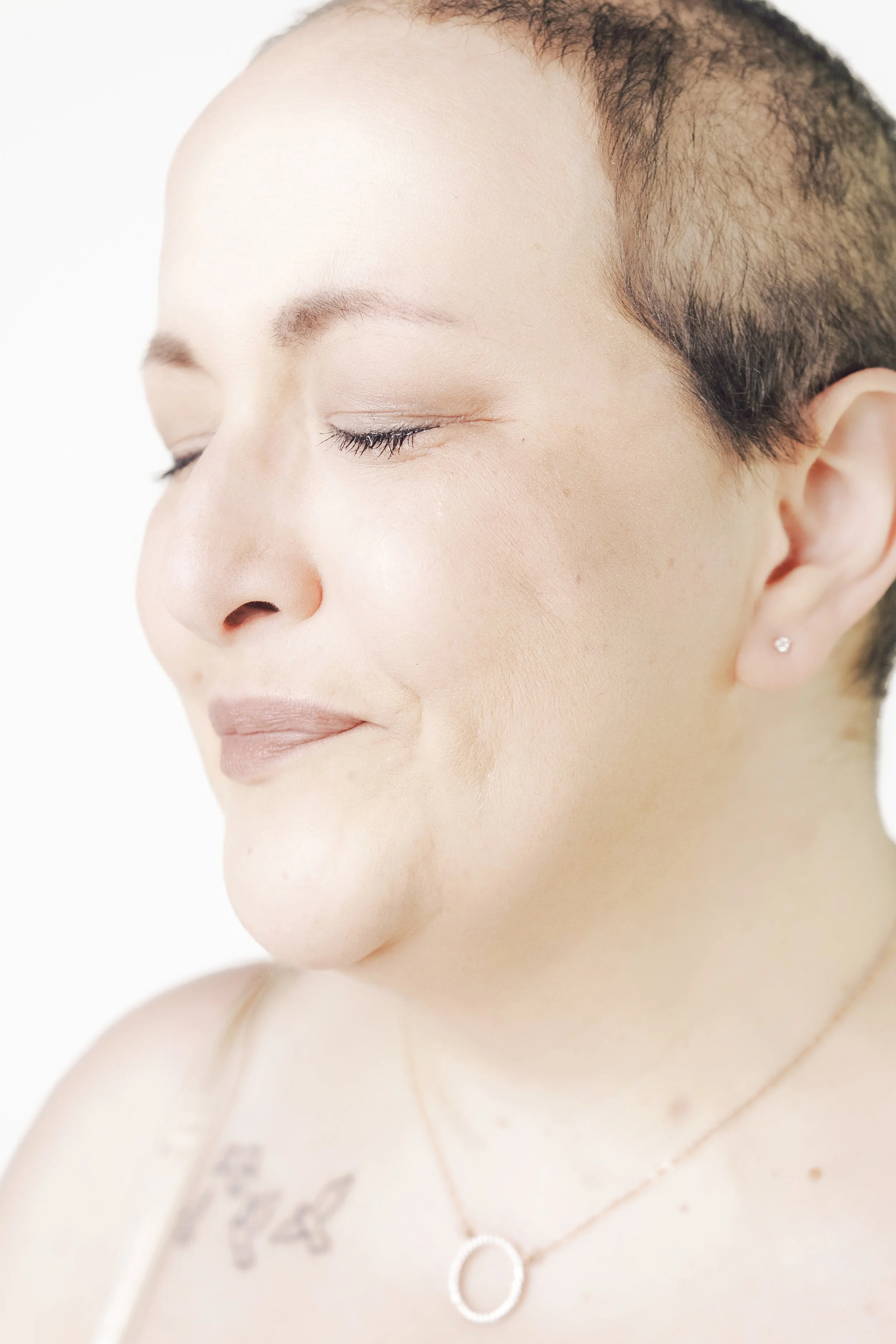
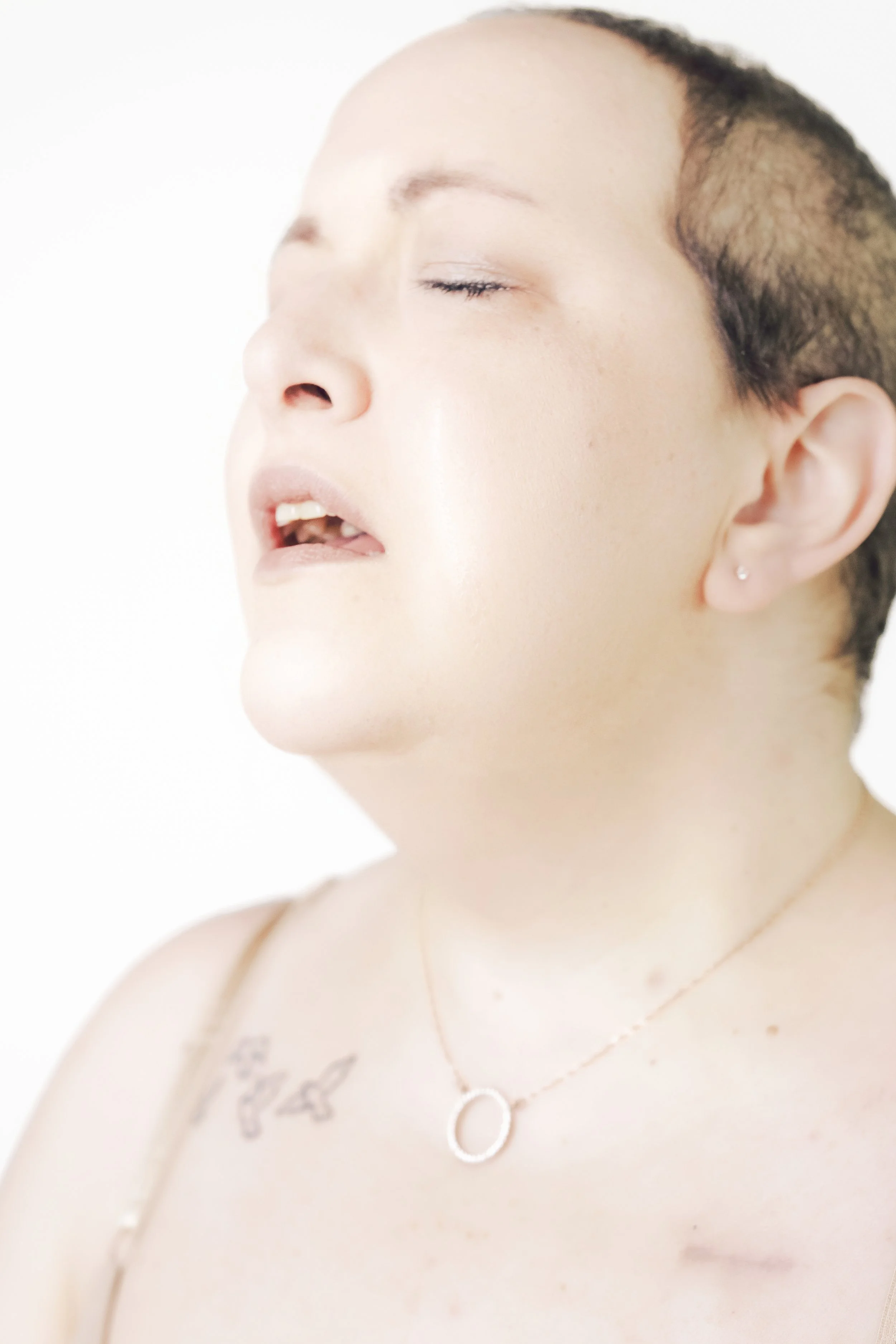
Her hair is starting to grow back, although she says it's coming in in some pretty weird patches as she laughs. She has a scar from her port, and she's completely comfortable showing it. Every time I asked if there was something she wanted hidden, something she didn't want photographed or something she didn't want me to talk about, her answer was essentially the same: “I am an open book.” So that's how I want to photograph her.
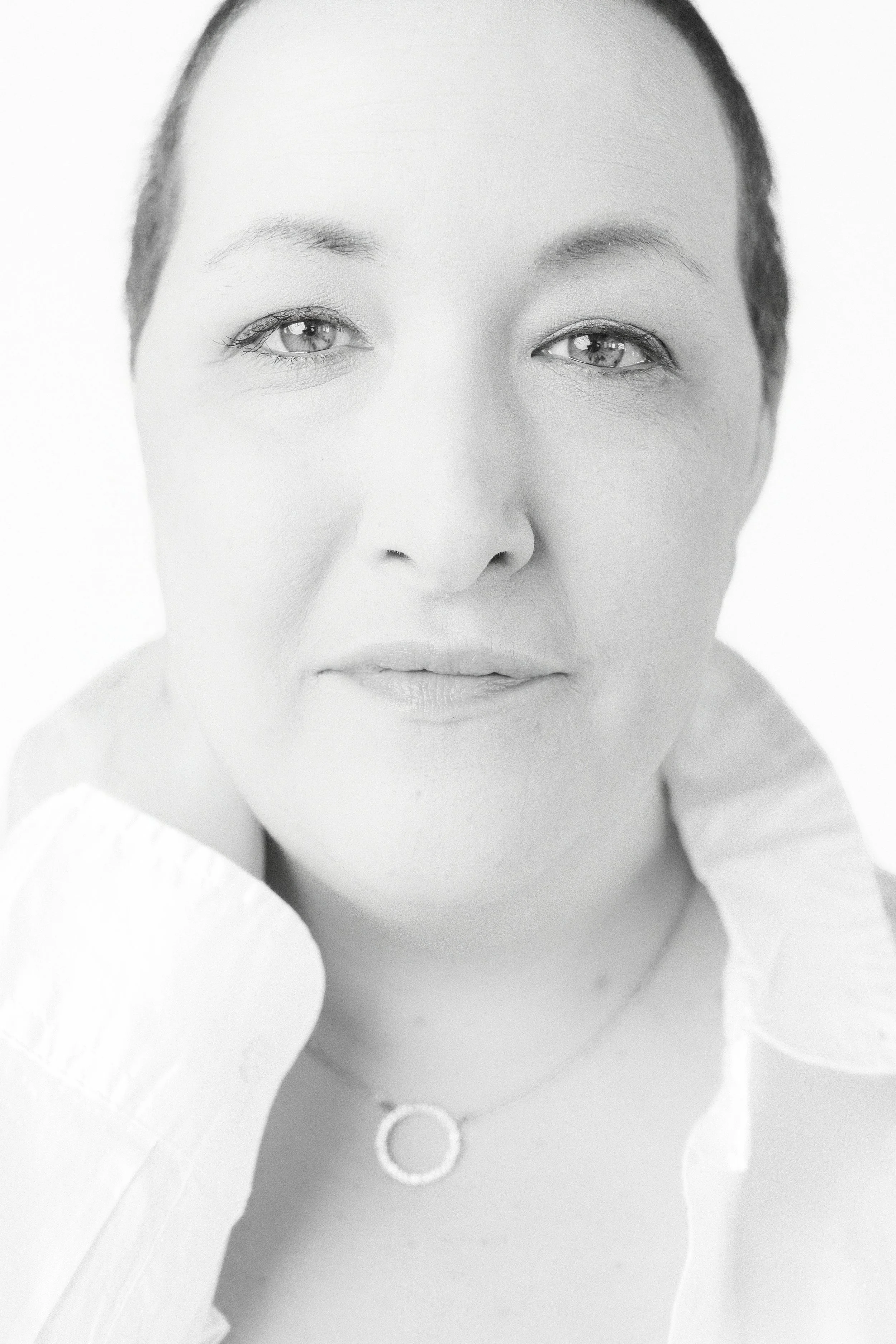
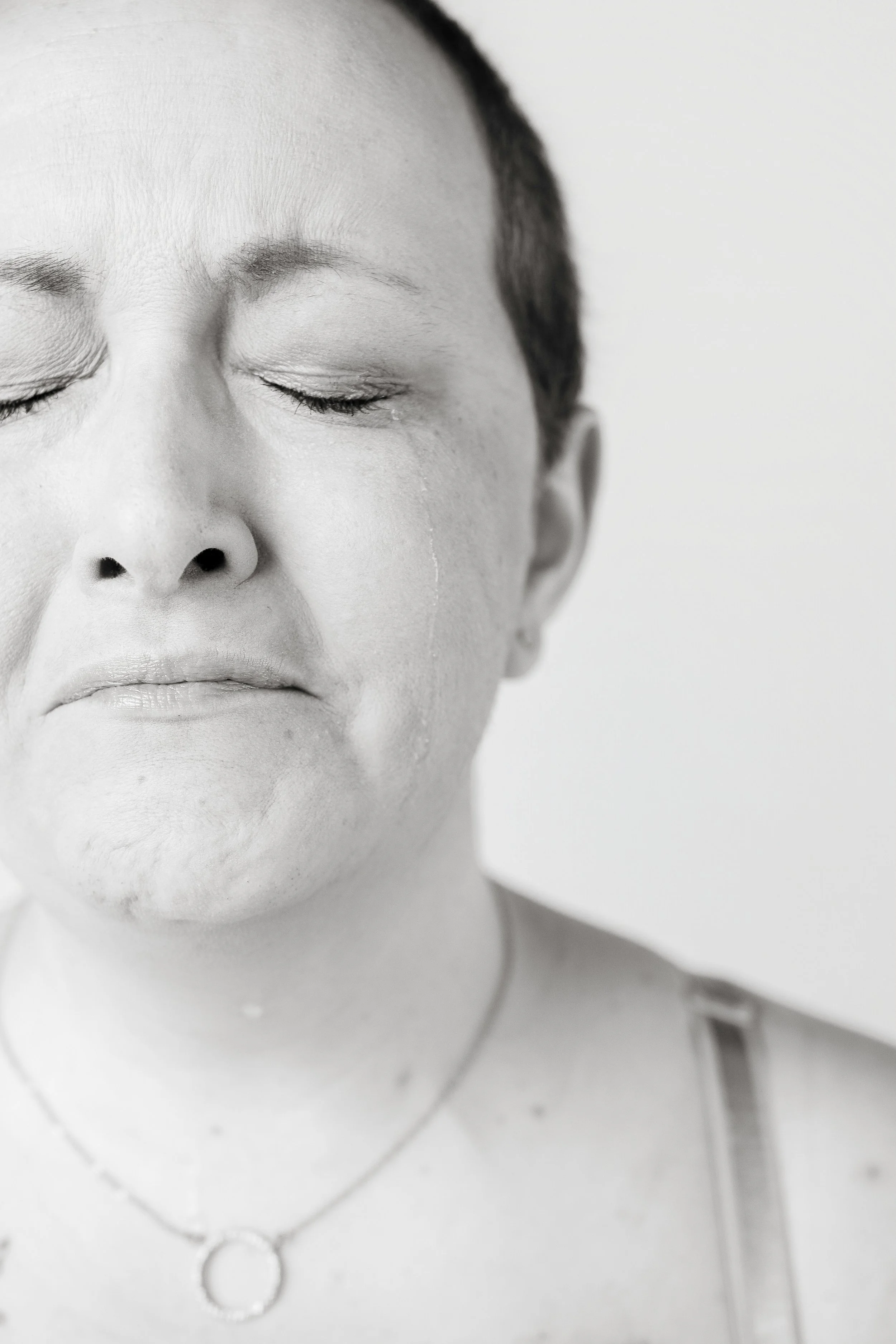
I don't want to hide the evidence of what she's been through, but I also don't want cancer to become the most interesting thing about her. I want you to see the social butterfly. I want the woman her husband still looks at and sees as beautiful. I want her children to someday look at these photographs and see their mom exactly as she was in this chapter of her life.
At the very end of getting to know her, I asked Lyn what she would say to another woman who had just heard the words, ' You have cancer.’ She told me:
“The breast cancer community is full of wonderful people, and you are not alone. It's a group you don't want to join, but if you have to, it's amazing to see the strangers that can become your biggest supporters.”
And I think I'll leave her story there. Lyn is 42. She's a wife, a mom, a friend, a woman who loves people deeply, a woman living with stage 4 metastatic breast cancer and, today, a woman who gets to say she's in remission. When she stepped in front of my camera, I wasn’t interested in photographing what cancer has taken from her. I want to show her everything it hasn't.
xoxo,
Elizabeth
WANT TO DO SOMETHING?
Lyn asked me to share her story for a reason. Metastatic breast cancer needs more research, more funding, and a whole lot more attention. If her story moved you and you want to help fund research specifically focused on metastatic breast cancer, you can learn more or donate directly through METAvivor.
SUPPORT METASTATIC BREAST CANCER RESEARCH →
More research means more treatment options. More treatment options mean more time.
More birthdays. More Christmases. More wrinkles. More gray hair.