His Name Had to Be Benedict.
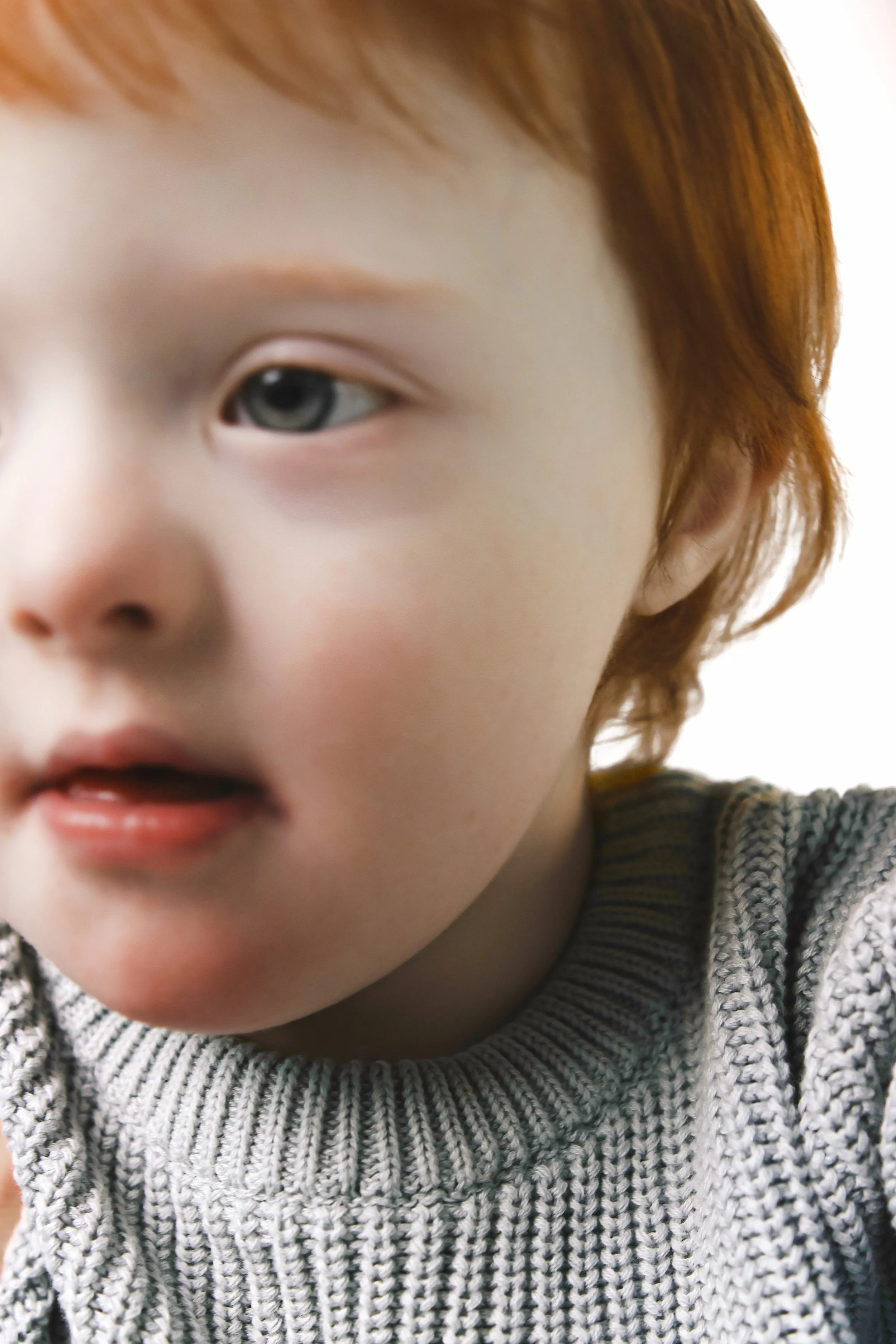
So why do we demand an answer when a child has a diagnosis?
Maybe not yet gets mistaken for never far too often.
I’ve read Ben’s mom’s words a few times now, and every time I do, I get stuck in the same place. It’s not the part where she found out her baby had Down syndrome or the surgeries, the failed hearing tests, or even the open-heart surgery that waits somewhere in his future. It’s the word never.
Because apparently, when you have a child with disabilities, people become strangely comfortable using it. Something, to be honest, I don’t think many take the time to even think about. He may never do this. He probably won’t do that. Prepare yourself for this. Don’t expect too much of that…
And I keep wondering what it must feel like to have someone look at your child and speak about his future as though it already happened. Ben has Down syndrome and autism. He is nonverbal and, for the time being, non-mobile. His mom didn’t shy away from any of that when she shared their story with me. She wrote about the medical pieces, the hard pieces, and the things she worries about when everything gets quiet. She also told me that the hardest part of the last four years hasn’t been any of those things! It has been watching other people decide what her son is capable of (something this community can relate to well).
I think there’s something about disability that makes the rest of us desperate for a forecast. We want to know what a child will do, where they’ll land, how independent they’ll be, what their life will eventually look like because it selfishly might give us some sense of comfort that we are, and will, do a good job as a parent or guardian.

But I look at my own kids and realize I couldn’t answer those questions about any of them. So WHY do we demand answers to milestones when a child has a diagnosis? Or, better yet, WHY do we receive them even when we don’t ask for it? Maybe not yet gets mistaken for never, far too often.
Ben’s mom seems pretty determined to leave the difference up to him. There was something else she said that stayed with me…
She wishes people would stop telling her how strong she is.
I understood that one immediately. While it depends on the caretaker and what their preference might be, I have noticed that there’s a strange thing we do to mothers raising children with disabilities. We turn their very ordinary love for their children into something almost heroic (while many of them really are heroic). We tell them God knew they could handle it. That we could never do what they do. That they must have the patience of Job. But at the same time, Ben’s mom and many others walking a similar path are holding her son down for bloodwork and crying.
She’s fighting doctors for equipment he needs. She worries. She has anxiety. She gets overwhelmed. Sometimes she screams into a pillow. In other words, she’s human. I wonder if calling a mom “strong” can sometimes become an easy way of looking away from how hard she is actually working to hold everything together. She doesn’t want to be remarkable simply because her son has disabilities, and she doesn’t want Ben to be remarkable simply because he lives with them.
She wants him to be given the room to become whoever Benedict Wolf LeBlanc was going to be all along.
Which brings me to his name because of everything his mom shared with me, I think this might have been my favorite part…

Years before Ben existed, his mother was a teenager trying to make it through days she wasn’t always sure she wanted to make it through. And somewhere in those years, Benedict Cumberbatch became an unlikely source of comfort. As his career grew, she followed stories about his life and the person he seemed to be. Kindness, bravery, goodness, all the things. For reasons she probably couldn't have known at the time, the name Benedict became attached to the idea of making it through.
Then years later, she was sitting in a small exam room being told that the baby inside her had Down syndrome, and she knew his name immediately.
Benedict.
She told me that naming him Benedict meant, to her, that he could do anything. I keep thinking about how true that is. Before the appointments, the surgeries, and the developmental charts could tell her where he fell on them. Before strangers could offer predictions about everything he might never do, his mother had already given him a name that meant possibility.
Maybe Ben will do some things later on.
Maybe he’ll do some things differently.
Maybe there will be things no one around him has even thought of that become a natural way of life.
The fact is, he is FOUR years old, and I think we can give him a minute. After all, the rest of us have been given our lives to figure out who we are. Why shouldn't Ben get the same?