More Than a Home: Amber’s Story & Why Foster Care Advocacy Matters More Than Ever in 2026
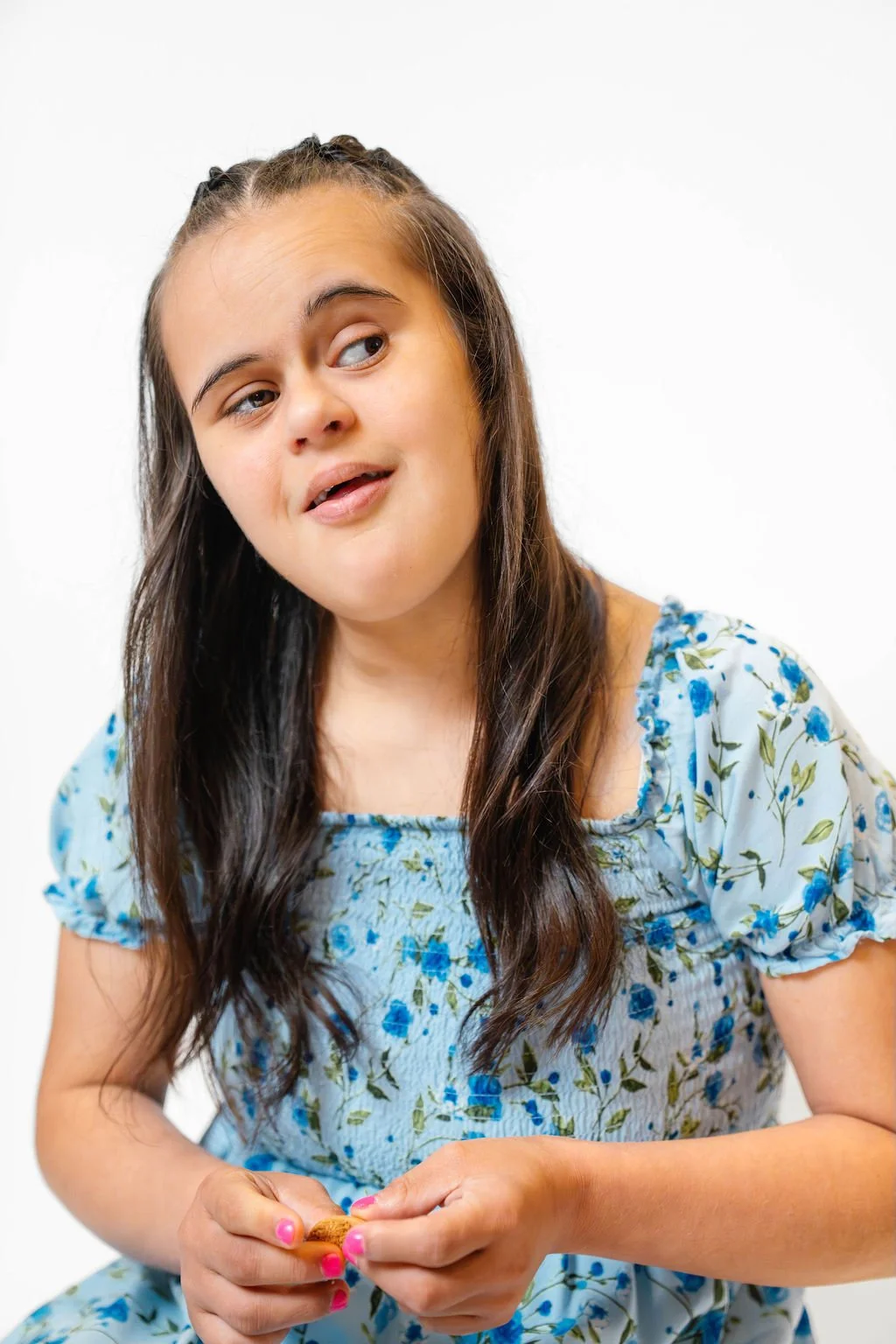
Photographer: Rhanda Crum (TX)
Tonight, somewhere in America, a child will fall asleep wondering where they belong.
Another will pack their belongings into a trash bag. Another will age out of the system without ever hearing the words, “you’ll always have a home here.” Another will wait. And in 2026, while foster care systems across the country continue facing staffing shortages, financial strain, placement crises, and caregiver burnout, more than 330,000 children remain in foster care nationwide. Experts estimate that nearly half of all children in foster care have some form of disability, developmental delay, chronic medical condition, or significant mental health need, making the demand for specialized foster families, advocates, and support systems more urgent than ever. But behind every statistic is a real person and a life that deserves more than being placed somewhere with a bed.
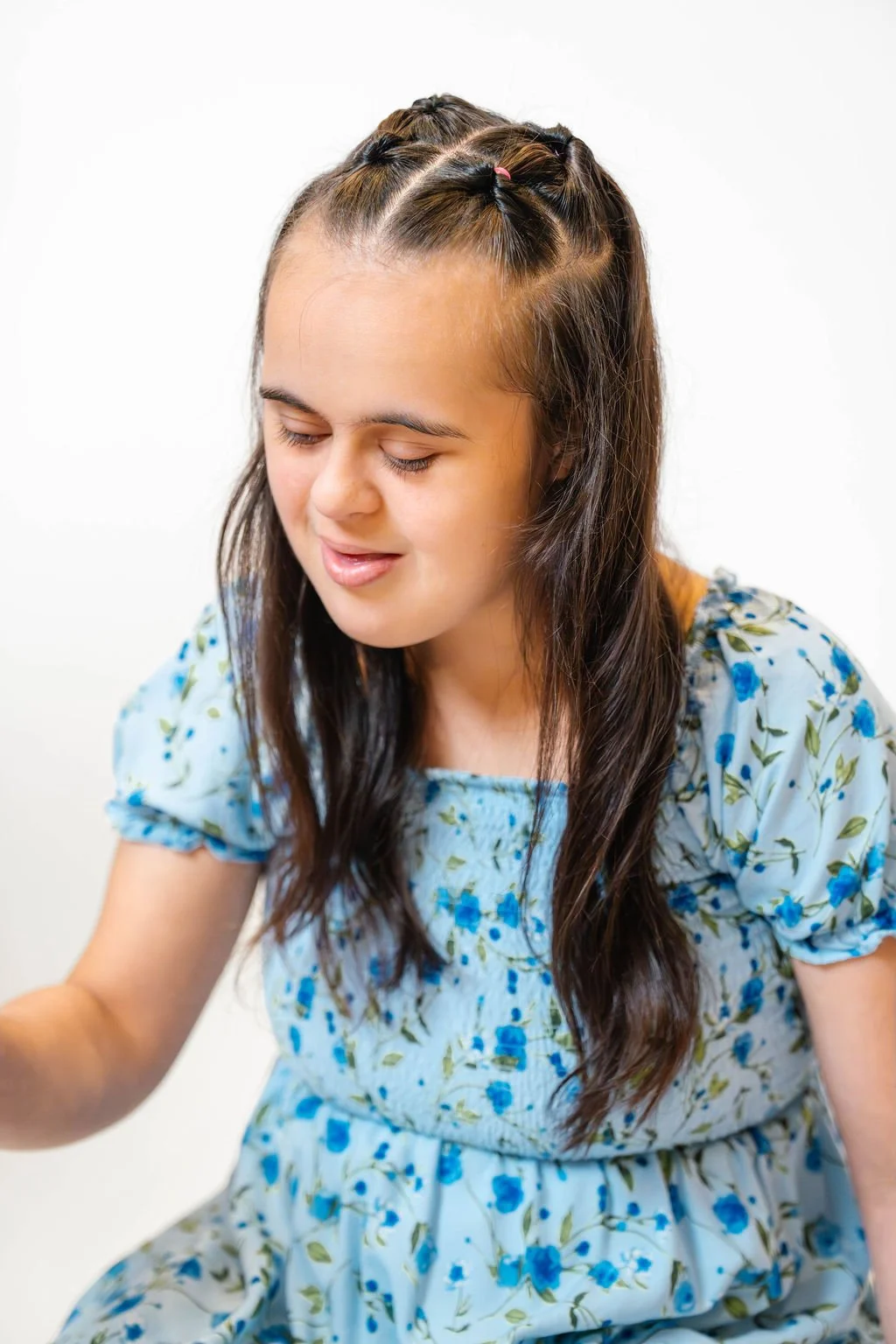
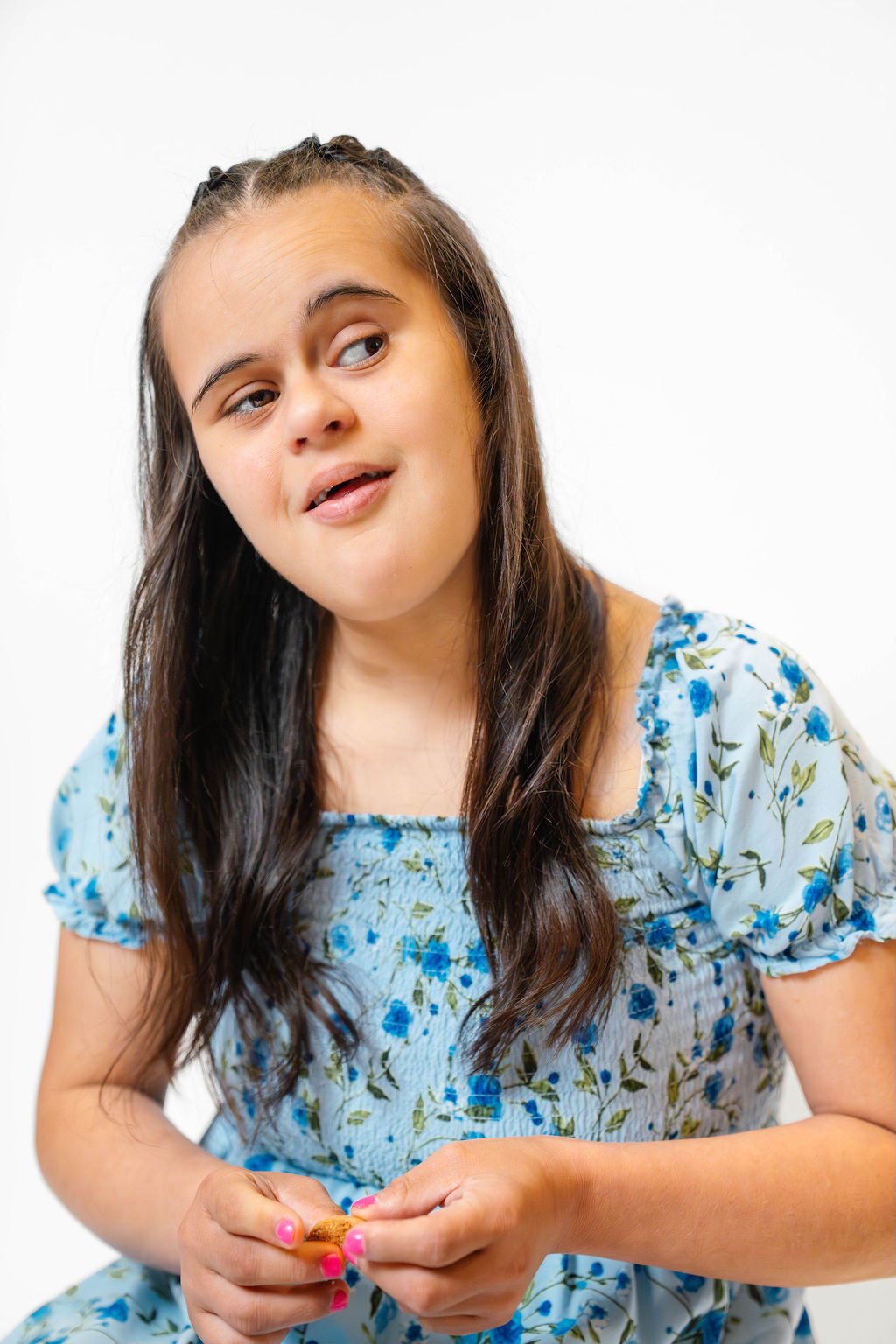
Allow us to introduce you to our crew member, Amber.
“My mom started working with Amber when she was 9,” her guardian, Isela, shared. “I loved her since then.”
Long before guardianship paperwork or legal processes entered the picture, Amber had already become part of their family in the ways that mattered most. Over the years, she became someone deeply familiar, loved, and someone who belonged.
When Amber turned 21, her grandfather who had been caring for her, became legally blind. At the same time, her mother needed to fully focus on caring for her husband’s growing needs. Suddenly, there was no clear plan for Amber’s future, and the possibility of her ending up in a nursing facility became very real.
“I could not see that happening,” Isela said.
So she stepped in.
Not because she felt prepared, but because she knew Amber deserved more than being placed somewhere out of necessity. The beginning was hard in the way most people never see when they picture fostering, caregiving, or guardianship.
“It was very hard to learn her routines and her likes and dislikes. After many sleepless nights and so much anxiety, I wanted to give up and throw in the towel.”
When we think of the word “honesty”, it’s often coupled with a thin veil. And when talking of foster care, people often talk through polished success stories, but rarely through the exhaustion, fear, and adjustment period that comes with learning how to care for another human being on a deeper level.
“With lots of prayer and patience and help from her caregiver and therapist, we were able to move forward.”
And somewhere in the midst of it all, Amber changed her life, too. She is loving and incredibly strong-willed. She loves music of every kind… in Spanish and English. She communicates through hand signs, holding hands, kisses, and expressions that make her feelings known clearly. Isela laughs, talking about the way Amber gives kisses when she’s happy or when she’s trying to convince her to give her something she wants. But the biggest transformation has been watching her begin to enjoy life again.
“When I first got her, Amber didn’t really walk or do much activity. Now we go for walks to the neighborhood park or around the block and she loves being outside.”
Over time, consistency and emotional safety changed things in ways that therapy alone never could.
“She had a very hard time communicating her emotions and her needs. She had a lot of anxiety and was depressed. Now after lots of therapy and consistency she has improved about 80% on her emotions and skills.” (Thats incredible, right?!)
Not because she was “fixed” or because she became easier… but because someone chose to hang around long enough to learn her fully. That’s the part people like ourselves miss sometimes when conversations around foster care happen online. Children and vulnerable adults don’t just need placement. They need stability, advocacy, and community. They need someone willing to keep showing up even after the adjustment period.
Why This Matters in 2026
According to the latest national foster care reporting, more than 330,000 children remain in foster care across the United States. At the same time, thousands continue waiting for adoptive families, advocates, mentors, volunteers, and stable support systems. Organizations nationwide are also facing major strain from staffing shortages, foster parent retention struggles, and financial limitations that continue to impact children and families directly. America’s Kids Belong notes that foster care systems currently have roughly half as many foster families as children in care, while many foster parents leave within their first year.
This is why organizations like theirs matter so deeply. Their mission focuses on ensuring “a family for every child” while also creating foster-friendly communities that support the families willing to step into this work. Through initiatives like the I Belong Project, they help share the stories and voices of children waiting for adoption with dignity and compassion. Not everyone is called to foster or adopt but everyone can play a part in some way…
You can volunteer. You can donate. You can support foster families. You can mentor youth aging out of the system or become a CASA advocate. You can offer respite care, sponsor therapies, support local organizations, or become someone safe and consistent in a child’s life.
Because behind every statistic is someone like Isela’s girl, Amber.
Get Involved Locally
Georgia
California
South Carolina
Texas
JOIN OUR IMPACT