
I've always found it interesting how quickly we think we can figure someone out. Based on something like a first impression, little information… maybe a label or two. And suddenly, we think we have a pretty good idea of who someone is. But here’s the thing, every once in a while, someone comes along who reminds us just how much we don't know.
For me, that someone was Ruby.
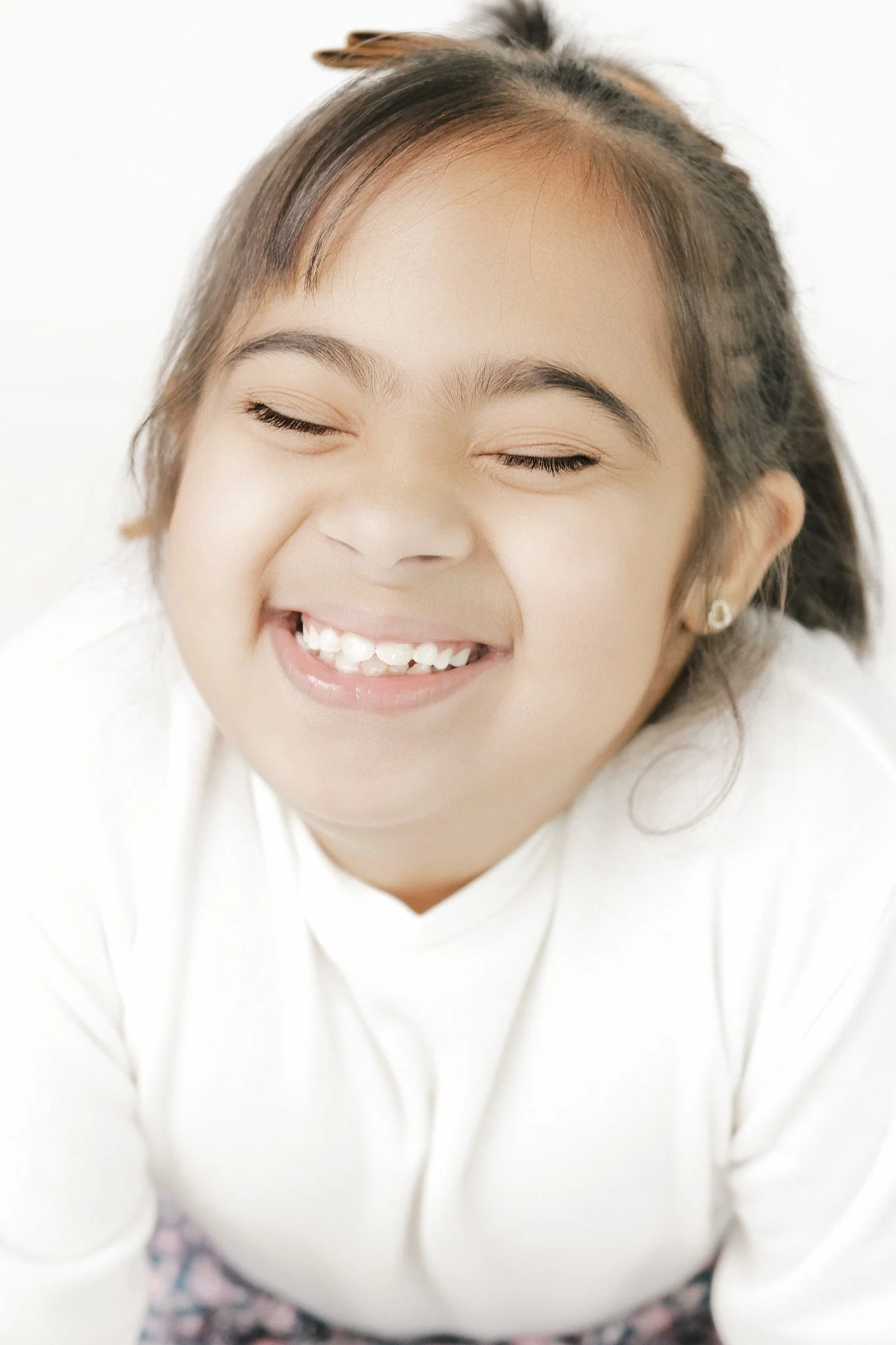
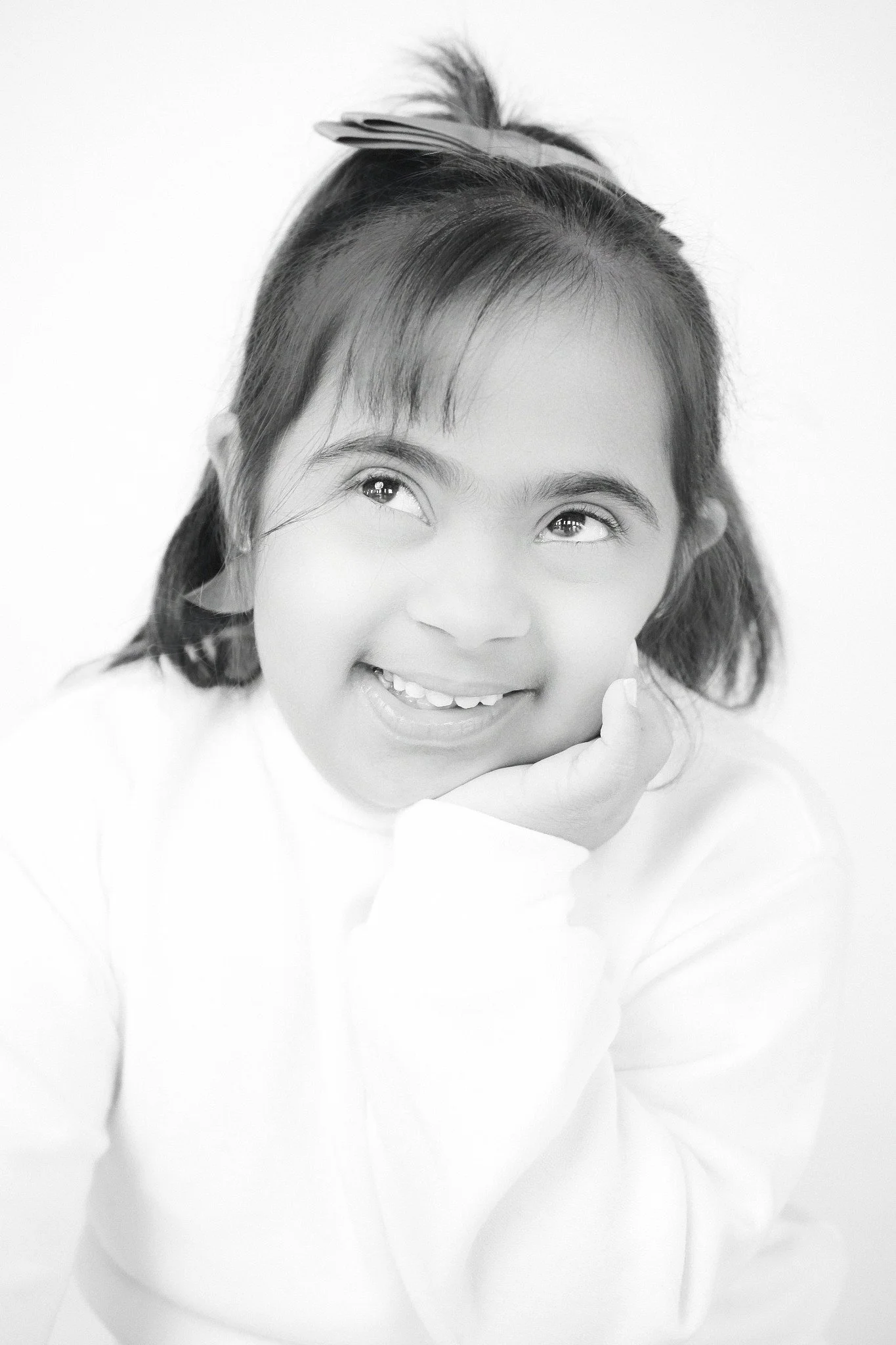
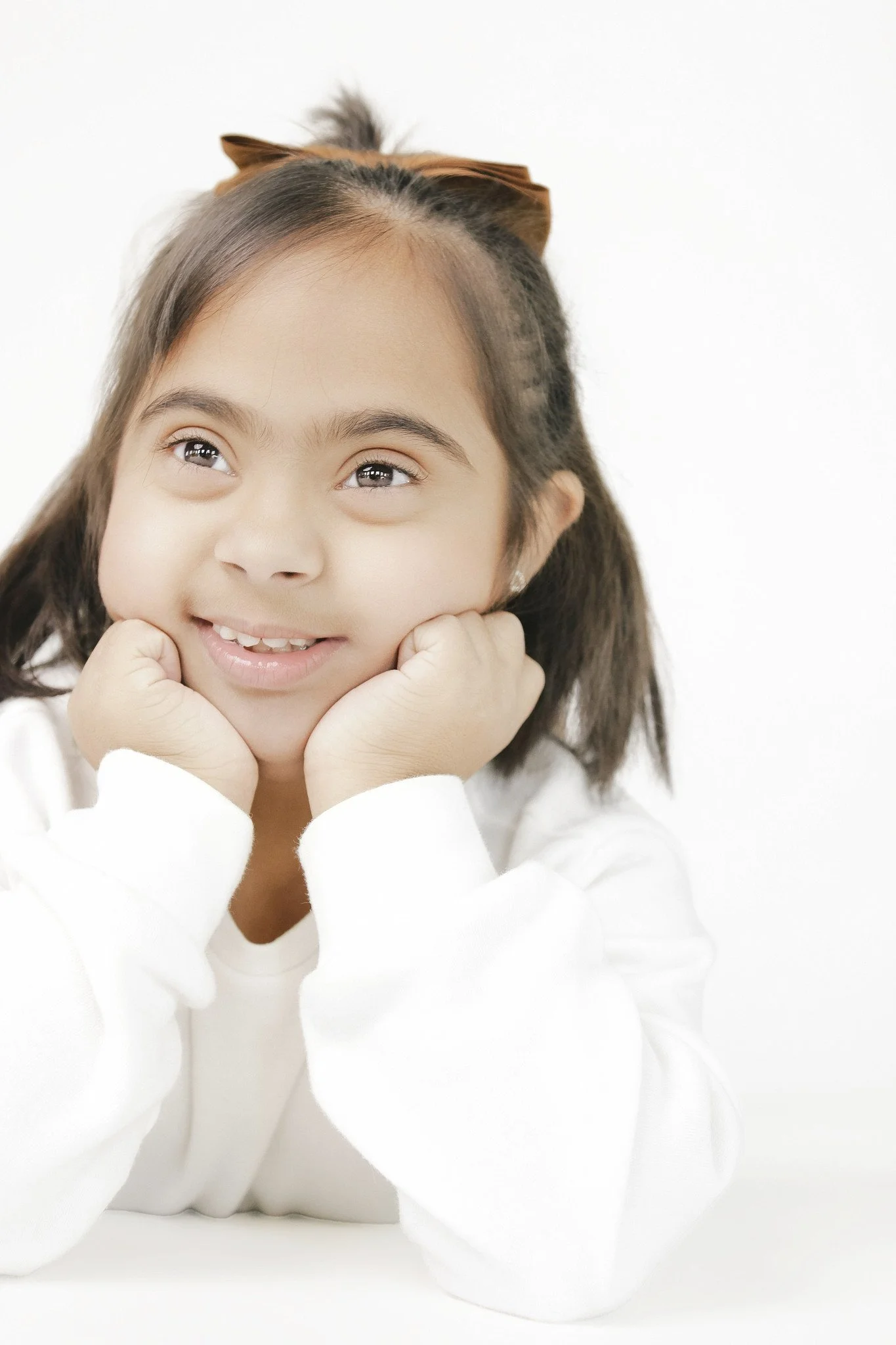
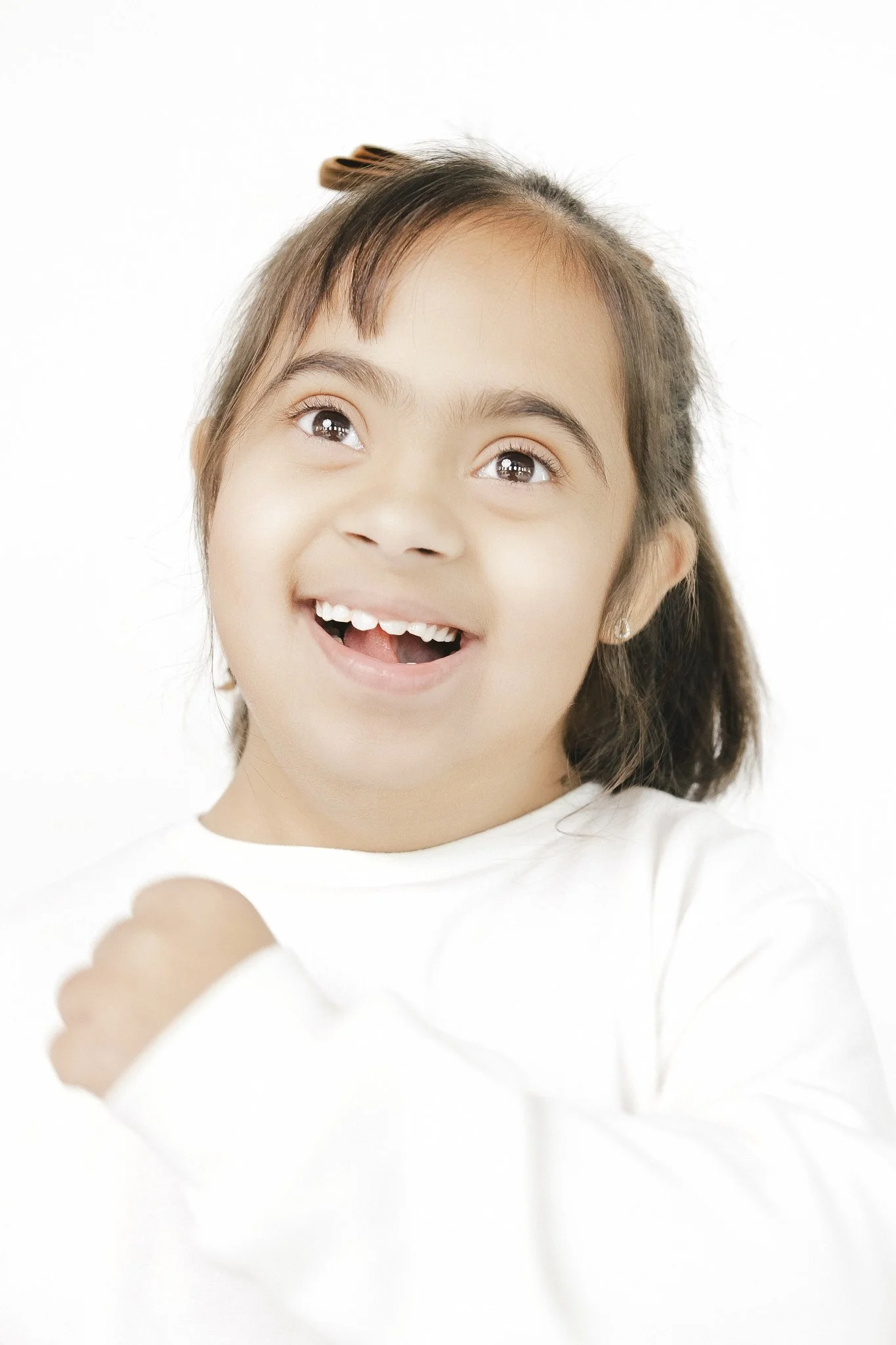
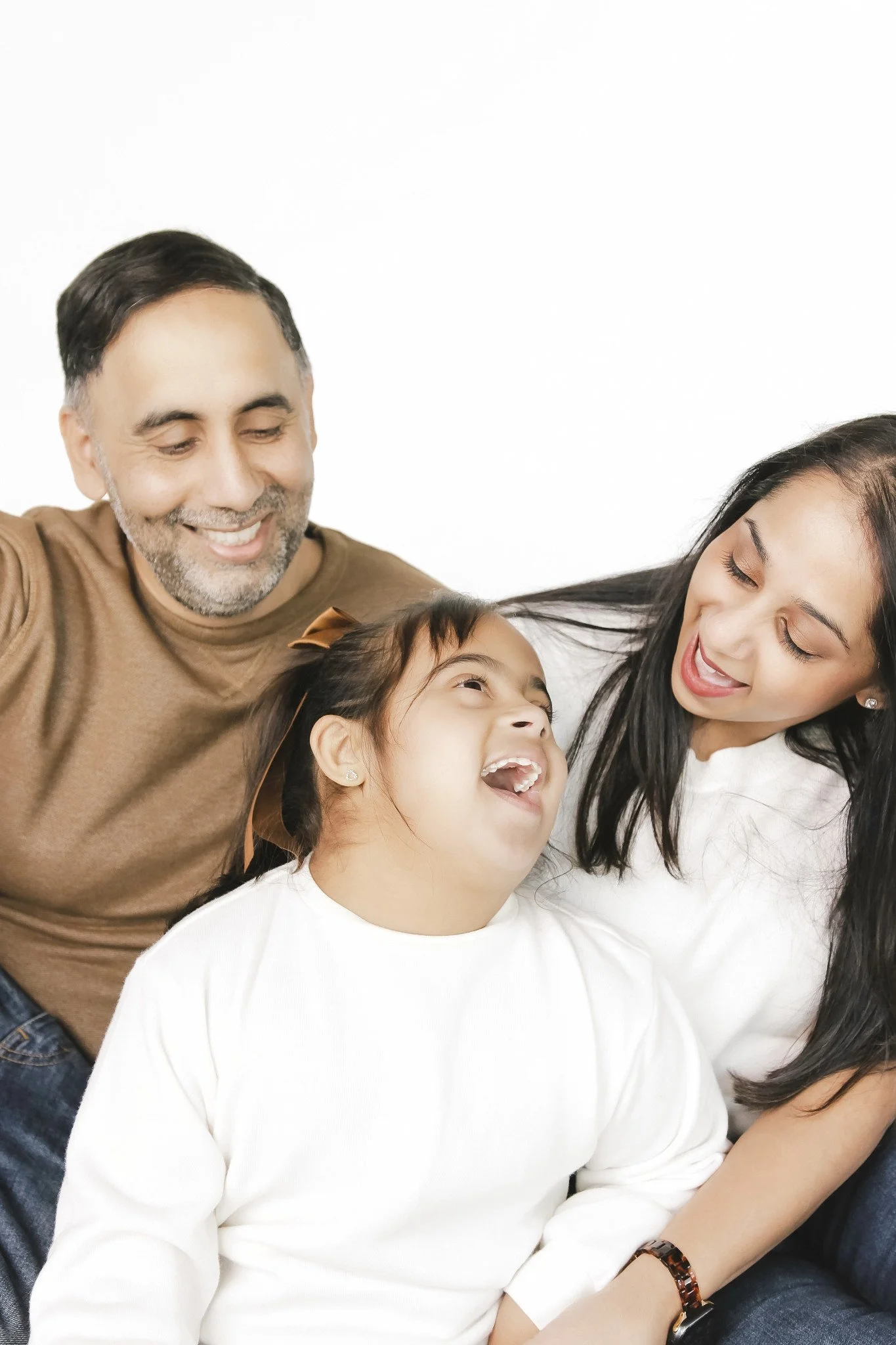
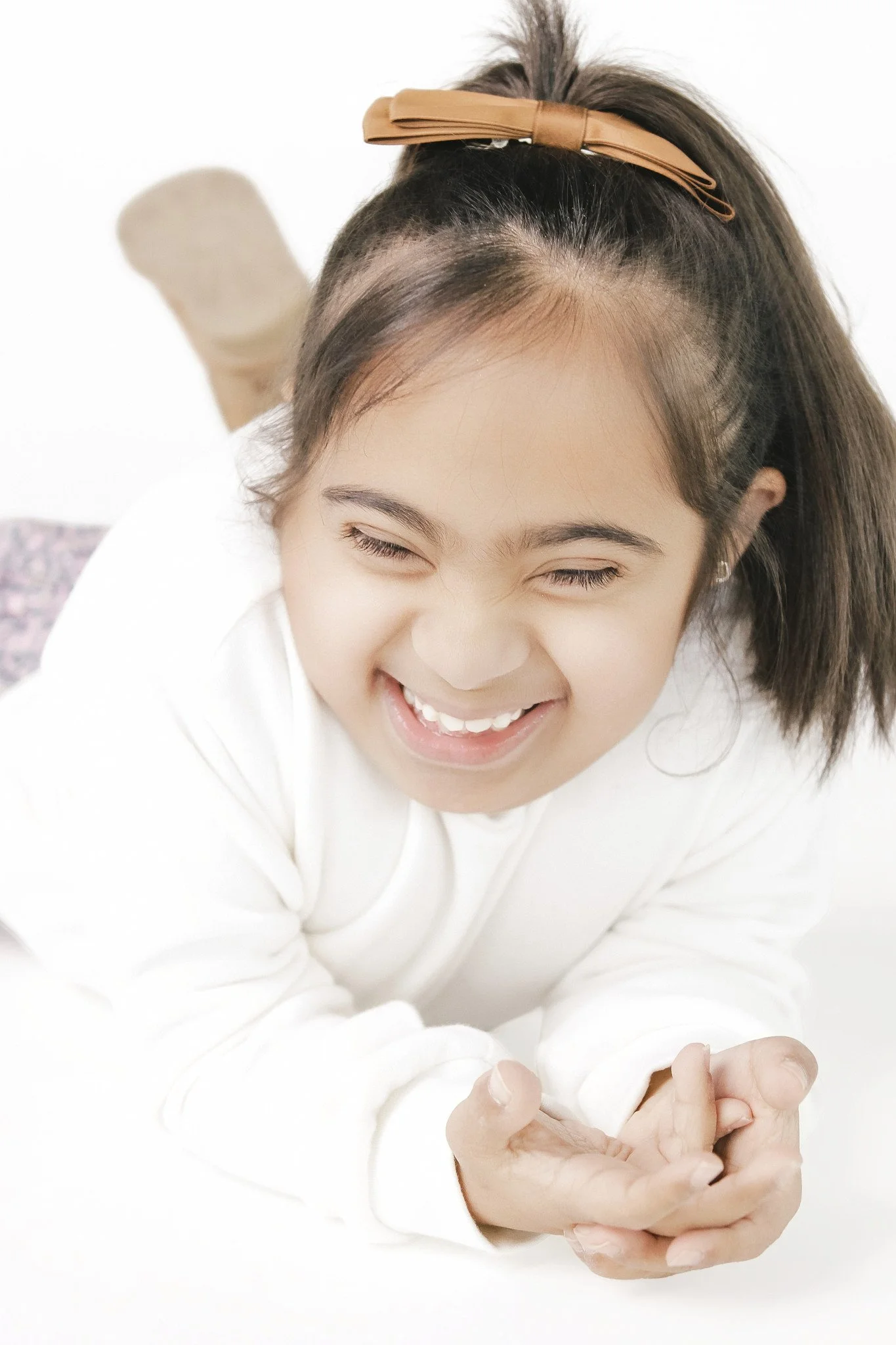
Ruby is nine years old, in the fourth grade, and according to her mom, quite possibly the coolest kid on the planet (she truly is SO cool). She loves music, dancing, and singing at the top of her lungs. She's sweet, sassy, smart, and has a personality that keeps everyone around her on their toes. She's a daughter, a sister, and a little girl who has absolutely no intention of being anyone other than herself.
Ruby also has Down syndrome and autism.
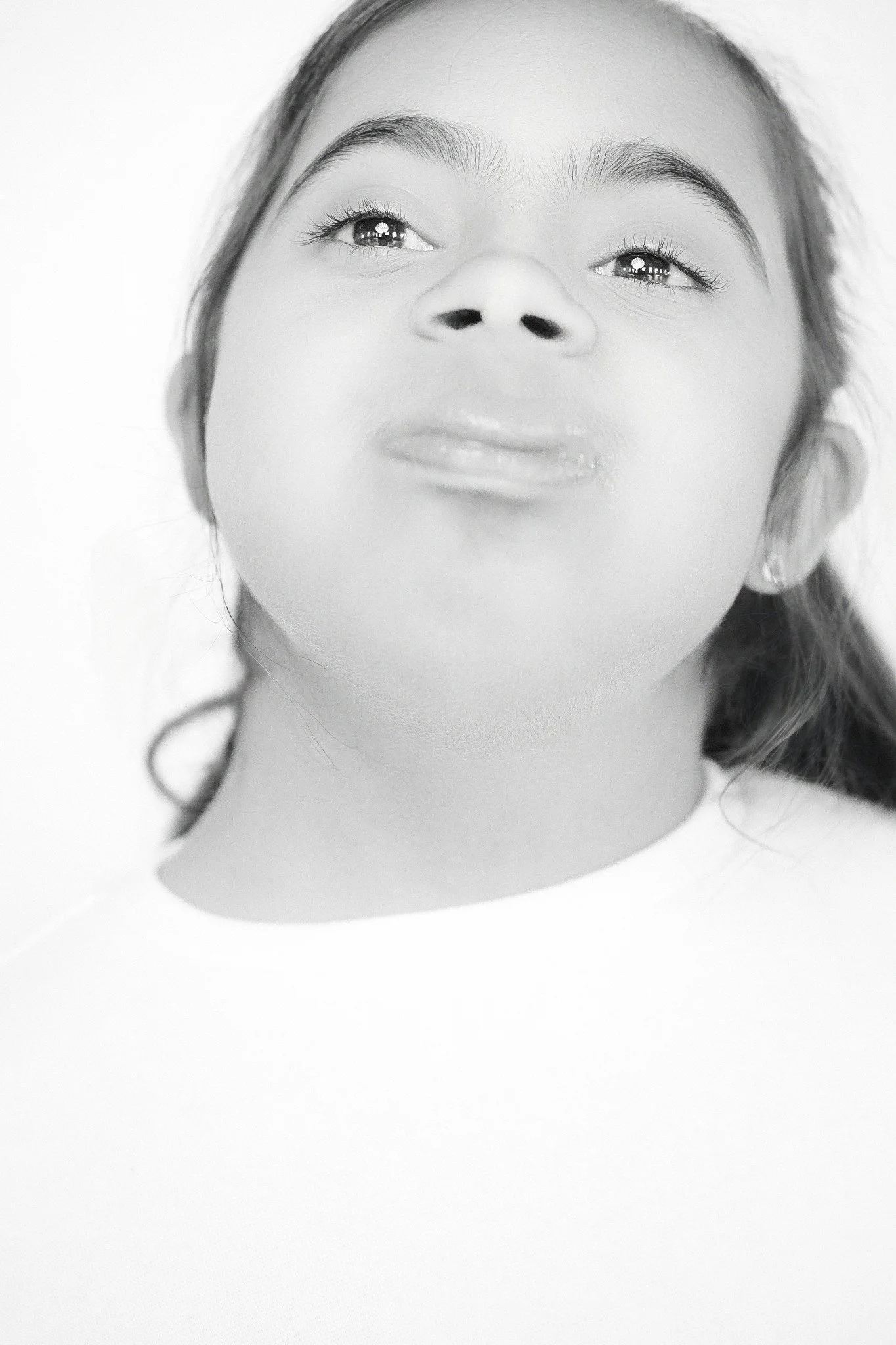
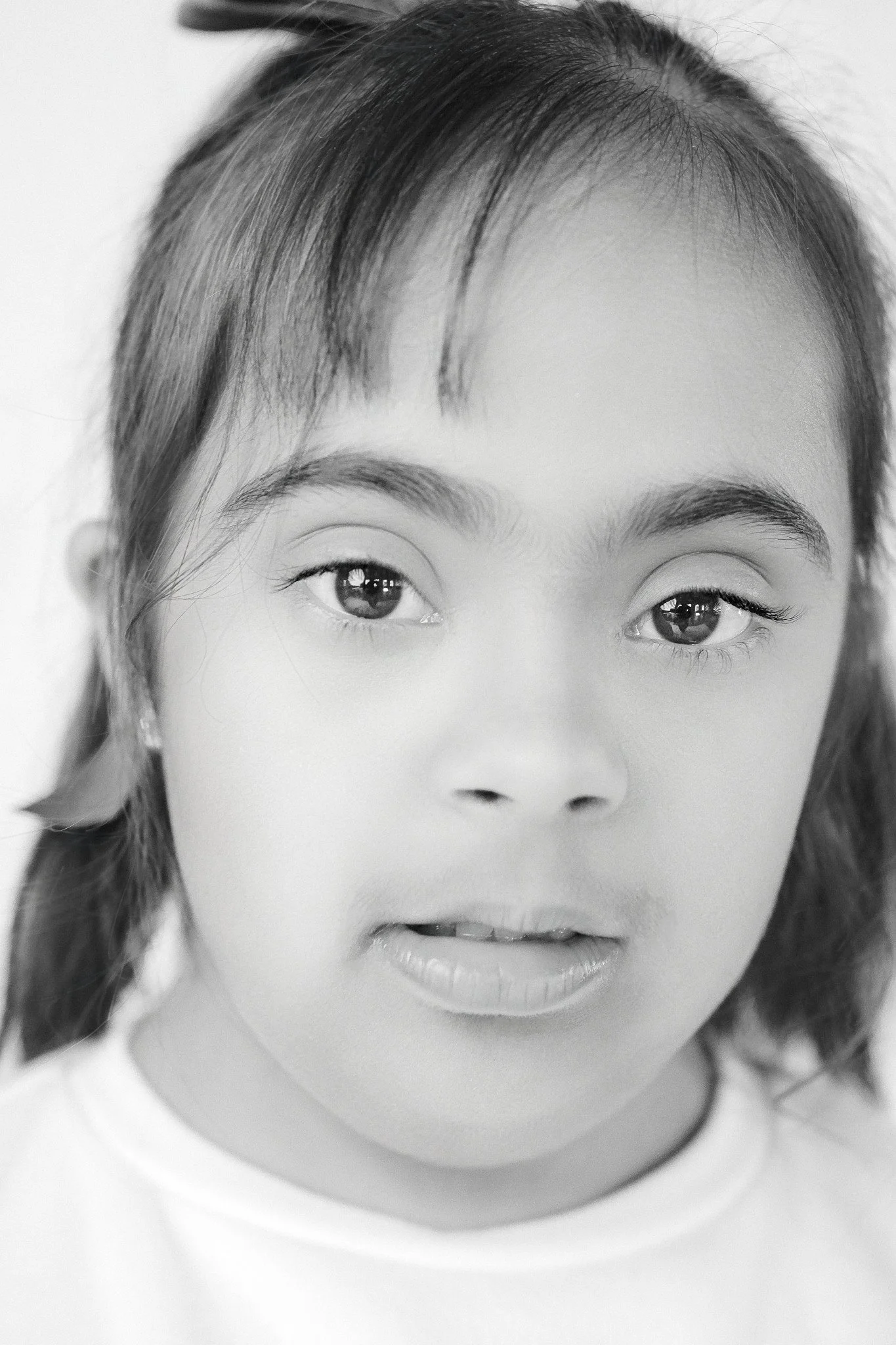
While those diagnoses are certainly part of her story, they aren't nearly enough to tell you who she is. When I met Ruby, her sweet, gentle nature drew me in. We connected instantly, and throughout our session, I watched her slowly become more comfortable, more curious, and more willing to try new things. What stood out to me most wasn't any particular pose or photograph. It was the trust. Infront of us was a little girl in an unfamiliar environment, working with someone she had only just met, finding her own way through the experience and instead of expecting her to fit into some predetermined version of what a portrait session should look like, we let Ruby be Ruby. And wouldn't you know it?! That was exactly what made it beautiful.
There's something incredible about what can happen when we stop expecting people to meet us where we are and start making the effort to meet them where they are. For Ruby, being understood hasn't always come easily. She communicates through spoken words, sign language, an AAC device, gestures, and actions. Her mom describes her as incredibly intelligent, observant, and totally aware of what's happening around her, and when Ruby has something to say, she finds a way to say it.
But here's where things get complicated… We live in a world that tends to place an extraordinary amount of importance on how someone communicates, sometimes at the expense of listening to what they're actually communicating. If someone doesn't respond the way we expect, we assume they don't understand. If they need more time, we mistake that for an inability and become impatient. If they express themselves differently, we sometimes overlook just how much they have to contribute. Ruby's parents have spent years challenging those assumptions. When Ruby was born in March 2017, her family was expecting to welcome another baby into a home already filled with the excitement of raising her older brother, Amaan, who was still very young himself. But within hours of Ruby's arrival, life took an unexpected turn. Her mom suspected she had Down syndrome almost immediately after birth. Less than 24 hours later, Ruby was transported by helicopter to a children's hospital more than an hour and a half away. Alongside her Down syndrome diagnosis came serious medical complications, including Hirschsprung disease, pulmonary hypertension, and congenital heart defects.
There were surgeries, a lengthy NICU stay, and the uncertainty that makes it difficult to think beyond the next medical update. Her mom remembers being frightened and overwhelmed. Not because Ruby had Down syndrome, but because her newborn daughter was facing so much, and there was so little she could control. Eventually, after multiple surgeries and a long hospital stay, Ruby came home! There were smiles, laughter, typical family moments, and the fun of getting to know the little girl who had already made such an enormous entrance into the world.
As Ruby grew, so did her family's understanding of her needs, but when her mom began noticing differences in Ruby's development and behavior, getting answers proved much harder than expected (something our JJP Crew families are all too familiar with). For years, her concerns were repeatedly attributed to Down syndrome. It was as if one diagnosis had become the explanation for everything, and I couldn't help but question: At what point does a label intended to help us understand someone become the very thing preventing us from understanding them?
Ruby's mom knew there was more to explore, so she continued asking questions, raising concerns, and advocating for an evaluation. At age five, Ruby was diagnosed with autism. For her family, that diagnosis wasn't about adding another label but rather about finally having a better understanding of her individual needs and gaining access to appropriate support. And there's an important distinction there… a diagnosis can be incredibly valuable. It can help families find answers, access resources, and understand how to support someone, but it should never become a substitute for getting to know the actual person.
Like all the Crew we strive to advocate for, Ruby is not simply a collection of diagnoses, developmental milestones, or medical records. She's a little girl who loves to dance, a sister who fills her home with laughter, a fourth grader with her own interests, opinions, preferences, and ideas. She is a child who communicates in more ways than many people realize and someone who deserves to have all of those things recognized. Her mom has spoken openly about how frustrating it can be to watch others underestimate Ruby. Not necessarily because they're being unkind, but because they sometimes assume they already understand her capabilities . And those assumptions have consequences. They can affect whether a child receives an evaluation, whether their needs are recognized, whether they're invited to participate, or whether someone takes the time to communicate with them in a way that works.
Sometimes, the greatest obstacle isn't what a child can or cannot do, but it's what the people around them have already decided is possible. During our session, Ruby didn't need to do everything exactly as I imagined. She needed time, patience, and the freedom to become comfortable in her own way, and as she did, I got to see more of that gifted personality her mom had told me about. There were so many moments of connection and little instances of trust that meant so much more than a perfectly posed photograph ever could. At one point, I found myself in tears. Not out of sadness or sympathy… I was just overwhelmed by how deeply Ruby had touched my soul.
And I think that's part of what makes her story so important. So often, we all share stories, myself included, about children with disabilities that are framed around what they've overcome, what they've accomplished against the odds, or how they've managed to exceed expectations. But what if we stopped requiring extraordinary accomplishments before recognizing someone's worth? Her mom said something I wish more people understood: inclusion isn't simply allowing someone to be present. It's giving them a meaningful opportunity to participate, contribute, and belong. And that distinction matters because Ruby deserves more than an invite to stand on the sidelines. She deserves all of the same opportunities the able world is given. She deserves people who recognize her potential without deciding in advance what that potential looks like. She deserves to be understood as an individual, not as someone's interpretation of a diagnosis.
Over the past nine years, Ruby's family has learned to navigate a life that looks different from what they once imagined. There have been difficult seasons, frustrating setbacks, and times when progress seemed painfully slow. But there have also been countless reasons to celebrate. Her mom describes a shift from spending so much time worrying about Ruby's future to learning to appreciate the little girl standing in front of her today. I think there's something beautiful about that, not because the uncertainty disappears. It doesn't. But because somewhere along the way, the questions begin to change. Instead of constantly wondering who Ruby might become, there's more room to appreciate who she already is and Ruby has influenced her family in ways that extend far beyond her own development.
Inspired by her daughter's medical journey, Ruby's mom returned to school to earn her Bachelor of Science in Nursing. She wanted to better understand Ruby's medical needs, navigate the healthcare system, and become a stronger advocate. Today, she works at Children's Healthcare of Atlanta, an organization that has been part of Ruby's story since childhood. Her family also credits the Elaine Clark Center, Abbotts Hill Elementary, Emory's Down Syndrome Clinic, Emory's School of Nursing, and the Down Syndrome Association of Atlanta for the roles they've played in their journey.
Each has contributed something different. Medical care, education, resources, community, encouragement, and opportunities for Ruby to grow. And behind every organization are people who have helped make that possible because inclusion doesn't happen simply because we say everyone belongs. It happens when we make the effort to understand what belonging actually requires. It happens when a teacher recognizes a child's potential. When a medical professional listens to a parent's concerns. When someone learns a different way to communicate rather than expecting the other person to adapt. And sometimes, it happens in a portrait session, when a little girl is given the freedom to experience something new at her own pace.
I think about Ruby often now. I think about the way she trusted me, the way she gradually opened up, and how much personality can exist in the smallest moments. I think about how easy it would have been to approach our session with assumptions about what she might need or be capable of doing, and how much I would have missed if I had! That's something these sessions continue to remind me of. We may be the ones creating the photographs, but the families who walk through our doors have just as much to offer us. Ruby certainly did. Her mom hopes that families beginning a similar journey will understand that life may not necessarily get easier, but it can get better. That joy and difficulty can exist together. That the unknown becomes a little less frightening as you learn to trust yourself and understand your child. But above all, she hopes people recognize that children shouldn't have to prove their worth to deserve respect, acceptance, and inclusion. I can't think of a more important message to leave with.
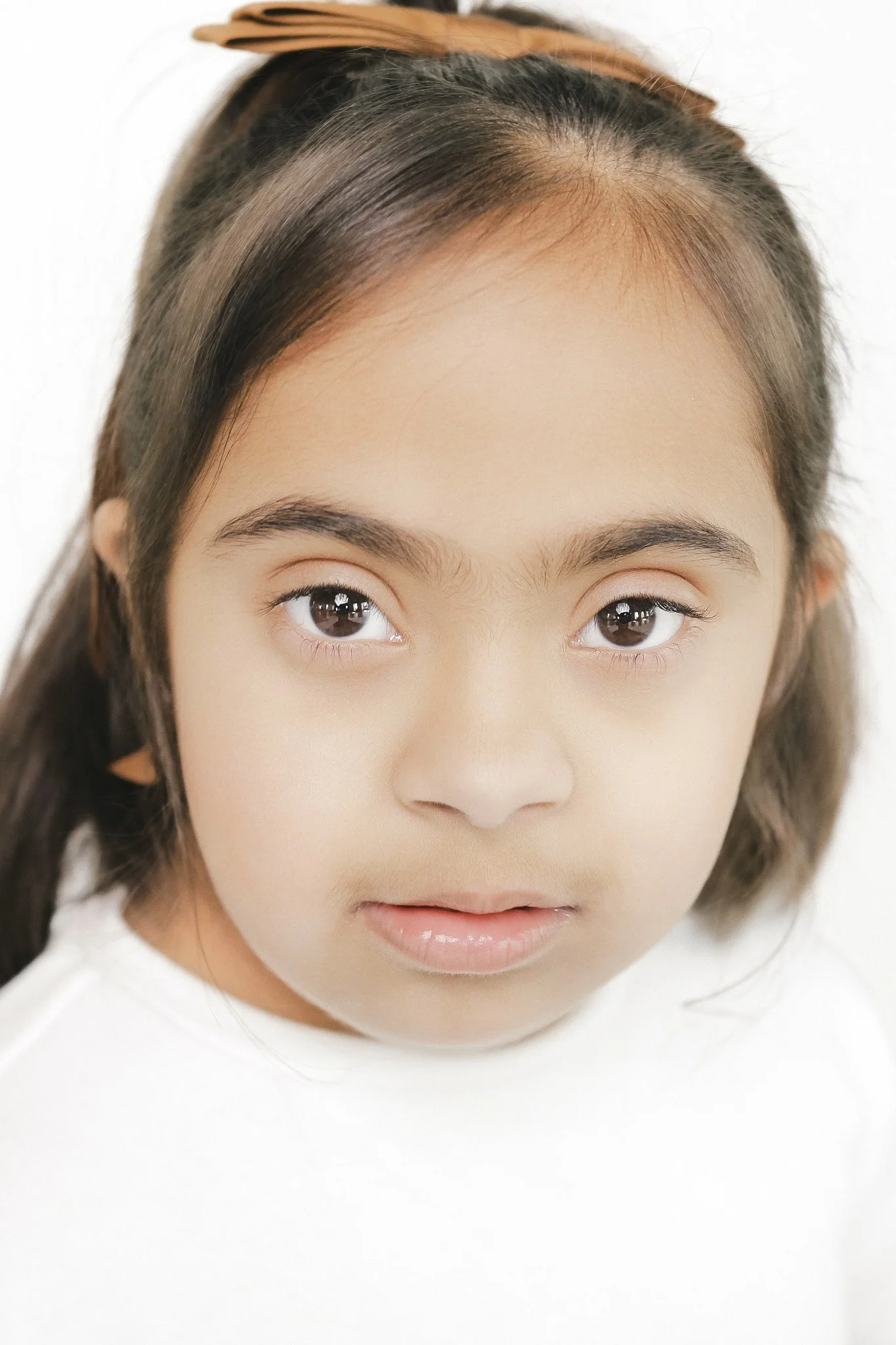
Ruby doesn't need the world to lower its expectations of her. She needs a world willing to give her opportunities without placing limits on her before she's even begun. When I look at her portraits, I don't see a diagnosis. I see a little girl with a beautiful gentleness about her. Someone who trusted me enough to let me see a little more of who she is.
I see Ruby. And I hope that when you look at her portraits, you see her, too.
Because there's something about Ruby.